

Road engineering stands as one of the most visible and essential branches of civil infrastructure development. Every highway, arterial road, and residential street represents the culmination of careful planning, precise design calculations, and rigorous construction oversight. For municipalities, developers, and infrastructure owners, understanding the fundamentals of road engineering ensures projects meet safety standards, accommodate projected traffic volumes, and deliver long-term performance while managing construction costs and environmental impacts. As North American infrastructure ages and development pressures intensify, the discipline continues to evolve through new materials, design methodologies, and regulatory frameworks that prioritize sustainability and resilience.
Planning and Preliminary Design Considerations
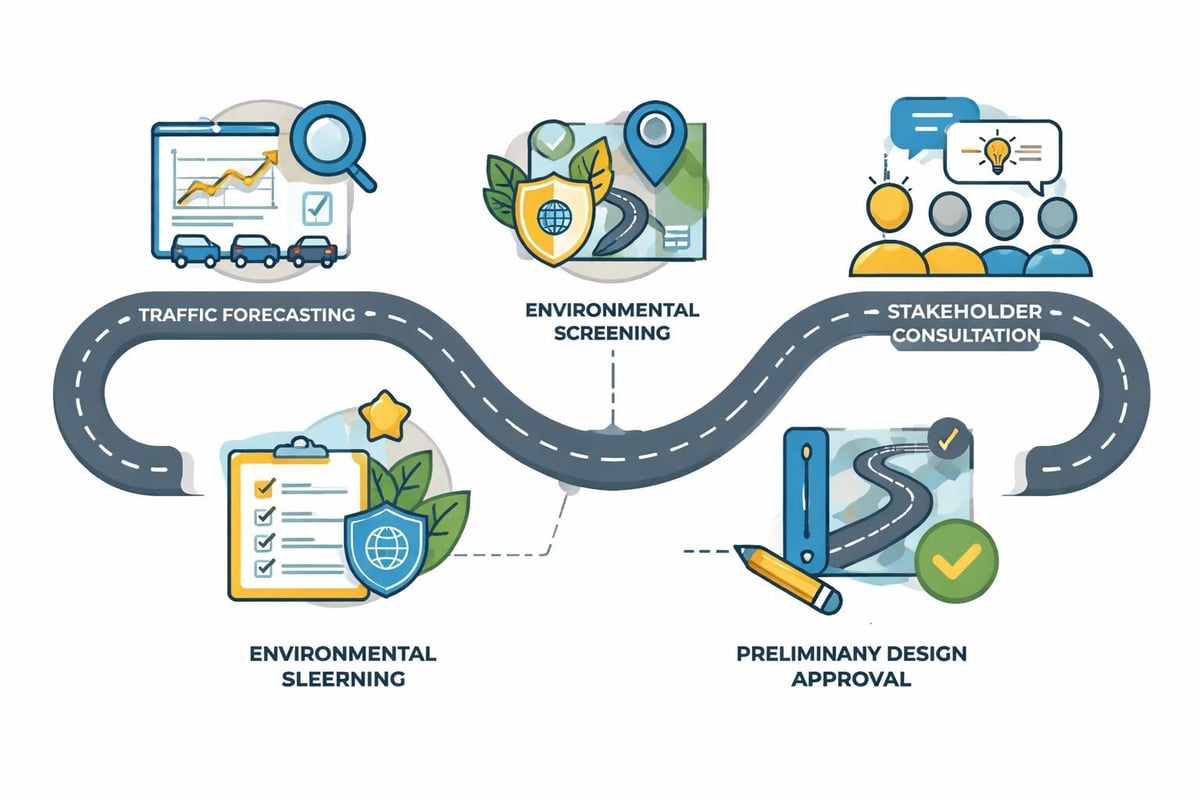
Successful road engineering begins long before the first excavator arrives on site. The planning phase establishes project feasibility, defines alignment alternatives, and identifies constraints that will shape every subsequent decision. Traffic forecasting drives initial design parameters, determining how many lanes the facility requires, what design speeds are appropriate, and whether auxiliary lanes or turning movements need accommodation. These projections rely on origin-destination studies, historical growth rates, and land use forecasts that anticipate development patterns decades into the future.
Environmental considerations increasingly influence route selection and design refinements. Wetland boundaries, floodplains, heritage resources, and sensitive habitats all impose constraints that engineers must navigate while balancing construction costs and user convenience. Permitting requirements from multiple agencies add complexity, particularly when projects cross jurisdictional boundaries or involve federally regulated waters. Early engagement with regulators and stakeholders reduces the risk of costly redesigns during later project phases.
Geotechnical conditions fundamentally shape road design and construction approaches. Subsurface investigations reveal soil strength, groundwater levels, frost susceptibility, and bedrock depth-all critical inputs for pavement design and earthwork planning. Poor soil conditions may require specialized treatments such as soil stabilization, surcharging, or deep foundations for bridge approaches. Geotechnical engineering provides the foundation data that prevents settlement, frost heave, and premature pavement failure.
Geometric Design Standards
Horizontal and vertical alignment design follows established standards that balance safety, driver comfort, and topographic constraints. Minimum curve radii depend on design speed and superelevation rates, while stopping sight distance requirements dictate crest curve lengths and horizontal clearances. The Ohio Manual of Uniform Traffic Control Devices provides guidance on traffic control measures that complement geometric design decisions.
Key geometric parameters include:
- Design speed selection based on functional classification and context
- Lane and shoulder widths appropriate to traffic volumes and vehicle types
- Cross-slope and superelevation for drainage and curve stability
- Vertical grade limitations for heavy vehicle performance
- Intersection sight triangles and turn lane configurations
These elements interconnect through design software that verifies compliance with AASHTO standards while optimizing earthwork balance and right-of-way requirements. Three-dimensional visualization tools help communicate design intent to stakeholders and identify conflicts before construction.
Pavement Design and Materials Selection
Pavement structures represent the most significant capital investment in road engineering projects. Design methodologies account for traffic loading, climate conditions, subgrade support, and available materials to produce a structure that resists rutting, cracking, and other distress modes throughout the design life. The choice between flexible (asphalt) and rigid (concrete) pavements depends on project-specific factors including construction schedule constraints, maintenance practices, and life-cycle cost analysis.
| Pavement Type | Primary Advantages | Common Applications | Typical Design Life |
|---|---|---|---|
| Asphalt | Lower initial cost, easier repairs, quieter surface | Residential streets, highways, industrial access | 15-20 years |
| Concrete | Longer service life, lower maintenance, better fuel economy | Interstate highways, truck routes, airport taxiways | 30-40 years |
| Composite | Combines benefits, staged construction possible | Rehabilitation projects, high-traffic corridors | 25-35 years |
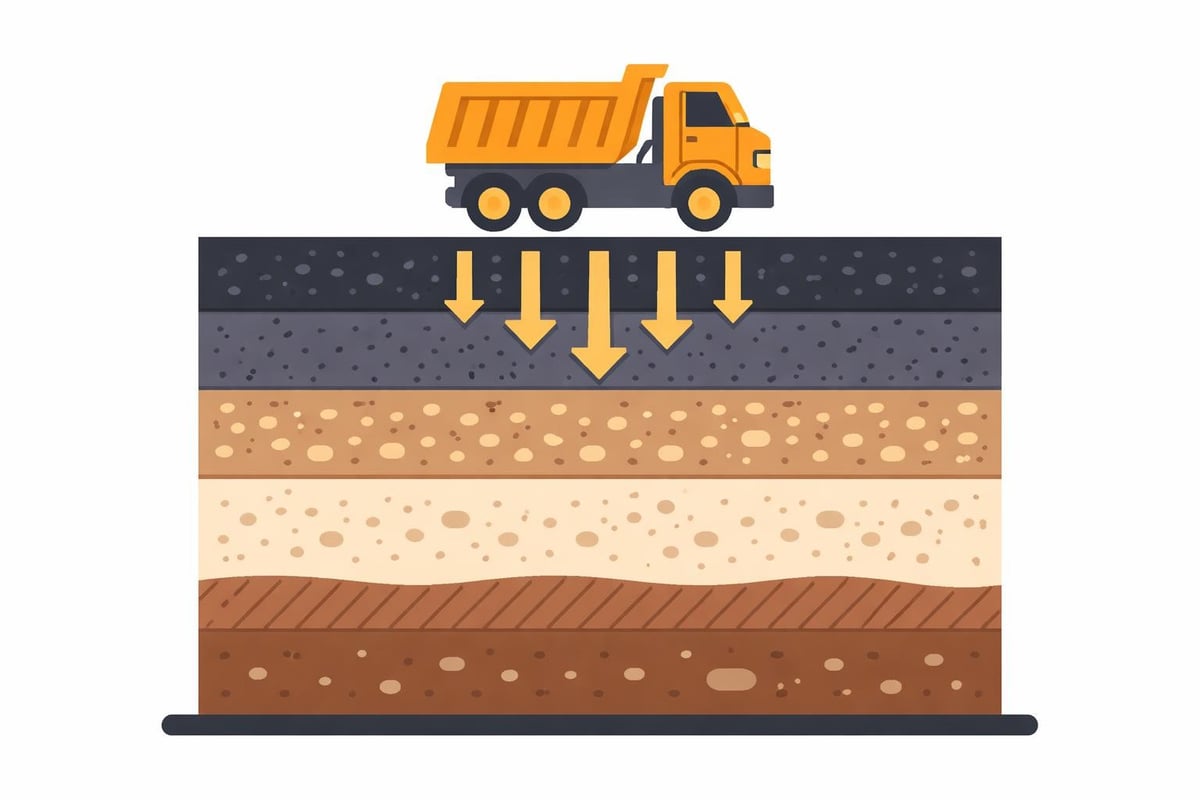
Flexible pavement design typically involves multiple bound and unbound layers working together to distribute wheel loads to acceptable levels at the subgrade interface. Hot-mix asphalt wearing courses provide the smooth, durable surface that directly supports traffic, while base and subbase layers constructed from crushed aggregate contribute structural capacity and drainage. Thickness design follows mechanistic-empirical methods that predict performance based on material properties and expected loading conditions.
Construction materials testing ensures that installed materials meet specification requirements and design assumptions. Field density testing, aggregate gradation analysis, and asphalt mix verification provide quality control throughout the paving process. These measures protect owners from premature failures and contractors from unwarranted warranty claims.
Drainage Engineering Integration
Road engineering must address surface runoff and subsurface water to prevent hydroplaning hazards and structural deterioration. Cross-slopes direct water toward longitudinal collection systems, while catch basins and inlets intercept flow before it accumulates to dangerous depths. Subsurface drainage layers and edge drains evacuate water that infiltrates through joints and cracks, preventing saturation that reduces pavement strength and accelerates freeze-thaw damage.
Culvert sizing and placement requires hydraulic analysis that accounts for watershed characteristics, design storm frequencies, and downstream capacity constraints. Undersized drainage structures cause flooding and road closures, while oversized installations waste resources and create unnecessarily large roadside disturbances. The Federal Highway Administration provides guidance on asset management practices that optimize drainage infrastructure investment.
Construction Sequencing and Quality Management
Earthwork operations establish the platform upon which the pavement structure will rest. Cut-and-fill balance minimizes hauling costs and environmental impacts, while compaction specifications ensure embankments achieve design density and stability. Moisture content control during placement determines achievable density, particularly for cohesive soils that exhibit narrow optimum moisture ranges. Winter construction presents additional challenges requiring frost protection measures and modified material specifications.
Construction quality management encompasses:
- Pre-construction meetings establishing roles, specifications, and testing frequencies
- Materials source approval through laboratory testing of aggregate, asphalt, and concrete
- Field inspection and testing during placement operations
- Non-conformance documentation and corrective action tracking
- Final acceptance testing and as-built documentation
Road engineering projects benefit from construction materials testing programs that verify compliance at each critical stage. Concrete cylinder breaks confirm design strength achievement, nuclear density gauges verify compaction levels, and asphalt core analysis validates layer thicknesses and bonding. These quality assurance measures support long-term pavement performance and protect against latent defects.
Contractors must coordinate utility relocations, temporary traffic management, and environmental protection measures throughout construction. Erosion and sediment control prevents off-site impacts during grading operations, while dust suppression and noise management maintain community relations. Successful projects maintain open communication among owners, engineers, contractors, and regulatory agencies to resolve field conditions efficiently.
Traffic Engineering and Safety Features
Modern road engineering integrates traffic control devices, geometric features, and operational strategies that promote safe, efficient movement. Intersection design represents a particular challenge, balancing competing demands from through traffic, turning movements, pedestrians, and cyclists. Roundabouts, signalized intersections, and channelized configurations each offer advantages depending on traffic volumes, site constraints, and collision history.
Speed management through design requires careful attention to driver expectation and roadside context. Wide lanes, gentle curves, and open sight lines encourage higher speeds, while narrower cross-sections, tighter geometry, and visual friction create self-enforcing lower-speed environments. Posted speed limits should align with design features rather than contradict the messages conveyed by the roadway itself.
Safety enhancements include:
- Rumble strips warning drivers of lane departures
- Wider shoulders providing recovery space and breakdown storage
- Median barriers preventing cross-centerline collisions
- Improved roadside clear zones reducing fixed-object impacts
- Enhanced visibility through proper lighting and delineation
The Highway Engineering Handbook offers comprehensive guidance on design standards that incorporate the latest AASHTO codes and safety research findings. Road engineering professionals must stay current with evolving best practices as new collision data and research reveal opportunities for safety improvement.
Transportation engineering services extend beyond geometric design to encompass traffic impact assessment, parking analysis, and regulatory coordination. Transportation planning and design services help developers and municipalities deliver compliant, constructible solutions that satisfy approval requirements while supporting project objectives. These multidisciplinary efforts ensure road engineering projects integrate seamlessly with broader transportation networks and land use plans.
Signage and Pavement Markings
Visual communication through signs and markings guides drivers safely and efficiently through the road network. Regulatory signs convey legal requirements, warning signs alert users to upcoming hazards, and guide signs provide navigation information. Placement, sizing, and retroreflectivity standards ensure messages remain visible under all lighting and weather conditions. Pavement markings delineate lanes, restrict certain movements, and provide guidance through complex intersections.
Maintenance cycles replace faded markings and damaged signs before visibility degrades to unsafe levels. Retroreflectivity testing identifies signs requiring replacement, while pavement marking assessment determines restriping priorities. These asset management practices align with the guidance provided by resources like the Engineering Resource on transportation engineering, which connects professionals with current standards and training opportunities.
Maintenance Planning and Asset Management
Road engineering responsibilities extend throughout the infrastructure lifecycle, requiring maintenance strategies that preserve the initial capital investment. Preventive maintenance treatments applied before significant deterioration develops cost far less than reconstruction while extending service life. Crack sealing, surface treatments, and mill-and-overlay operations address specific distress modes before they propagate into structural failures.
Asset management systems track pavement condition, bridge status, and drainage functionality to prioritize limited maintenance budgets. Pavement management programs use condition surveys, deflection testing, and distress mapping to develop multi-year intervention plans that optimize network performance. These data-driven approaches replace reactive "worst-first" strategies with proactive programs that deliver better long-term results.
| Maintenance Treatment | Application Timing | Expected Benefit | Relative Cost |
|---|---|---|---|
| Crack Sealing | First 3-5 years | Prevent water infiltration | Very Low |
| Chip Seal | Years 5-8 | Renew surface, seal cracks | Low |
| Thin Overlay | Years 8-12 | Address surface distress | Moderate |
| Mill and Overlay | Years 12-18 | Structural renewal | High |
| Reconstruction | After design life | Complete replacement | Very High |
Drainage system maintenance prevents flooding and extends pavement life by removing accumulated sediment from catch basins, clearing culvert inlets, and maintaining positive flow in roadside ditches. Vegetation management preserves sight distances and prevents root intrusion into drainage structures. These routine activities require less technical sophistication than initial construction but prove equally important for long-term infrastructure performance.
Emerging Technologies and Sustainable Practices
Road engineering continues evolving through material innovations, construction techniques, and design approaches that improve performance while reducing environmental impacts. Warm-mix asphalt technologies lower production temperatures, decreasing emissions and energy consumption without sacrificing pavement quality. Recycled materials including reclaimed asphalt pavement and recycled concrete aggregate reduce virgin material demands while diverting waste from landfills.
Permeable pavement systems allow infiltration directly through the surface, reducing runoff volumes and pollutant loading to receiving waters. These low-impact development techniques work particularly well for parking areas, residential streets, and other lower-traffic applications where structural demands permit porous designs. Hydraulic performance must be verified to ensure systems don't compromise road stability or adjacent foundations.
Sustainable road engineering practices include:
- Life-cycle assessment comparing environmental impacts across alternatives
- Recycled content specifications maximizing waste diversion
- LED lighting reducing energy consumption and maintenance needs
- Context-sensitive design minimizing community and environmental disruption
- Green infrastructure integration providing multiple benefits
Smart infrastructure technologies embed sensors in pavements and structures to monitor conditions in real-time. Weigh-in-motion systems track truck loads without disrupting traffic, while strain gauges in bridges detect overstress conditions. These monitoring systems inform maintenance decisions and provide early warning of developing problems before they become safety hazards or require expensive emergency repairs.
Regulatory Compliance and Approval Processes
Road engineering projects navigate complex regulatory frameworks involving multiple jurisdictions and technical disciplines. Municipal development approvals require traffic impact studies, servicing agreements, and construction drawings that demonstrate compliance with local standards. Provincial or state agencies oversee work within highway rights-of-way, imposing access management policies and design criteria that protect the integrity of major corridors.
Environmental permits address impacts to wetlands, watercourses, species at risk, and heritage resources. The approval process begins with screening-level assessments that identify constraints and escalates to detailed investigations for features that cannot be avoided. Mitigation measures range from erosion control best practices to compensatory habitat creation for unavoidable losses. Understanding these requirements early prevents project delays and budget overruns.
Federal involvement occurs when projects affect navigable waters, cross international boundaries, or utilize federal funding programs. The regulatory coordination required for large infrastructure initiatives can extend timelines significantly, making early engagement and thorough planning essential. Resources like those available through the Linda Hall Library provide civil engineers with technical references supporting regulatory compliance.
Construction permits and inspections ensure field work matches approved plans and meets quality standards. Municipal inspectors verify compaction, verify grades, and witness materials testing at frequencies specified in construction documents. Final acceptance inspections confirm all deficiencies have been addressed before releasing performance securities and initiating warranty periods. This oversight protects public investments and ensures roads perform as designed throughout their service lives.
Integration with Related Infrastructure Systems
Road engineering rarely occurs in isolation. Coordination with utility providers ensures adequate horizontal and vertical clearances for water mains, sanitary sewers, storm drains, and underground communication infrastructure. Conflicts discovered during construction cause expensive delays and change orders, making thorough utility investigations essential during design. One-call locate services prevent damage during construction, but designers must account for existing facilities when establishing road profiles and cross-sections.
Intersection design increasingly accommodates active transportation modes including cycling and pedestrian traffic. Dedicated bike lanes, multi-use paths, and enhanced crossings integrate non-motorized users safely into the transportation network. Transit considerations influence lane configurations, stop locations, and signal timing to support efficient public transportation operations.
Complete streets policies require road engineering projects to serve all users regardless of age, ability, or travel mode. These approaches produce more complex designs than vehicle-focused facilities but deliver broader community benefits including improved safety, enhanced livability, and reduced vehicle dependence. Design teams must balance competing objectives while meeting budget constraints and physical site limitations.
Landscaping and streetscape elements transform utilitarian corridors into community amenities that enhance property values and quality of life. Street trees provide shade and stormwater uptake, while boulevard plantings screen adjacent land uses and create visual interest. These aesthetic considerations require coordination between road engineers, landscape architects, and horticulturists to ensure plant selections tolerate urban stresses and don't interfere with sight distances or maintenance operations.
Project Delivery Methods and Contracting Strategies
Traditional design-bid-build delivery separates design and construction responsibilities, with owners engaging engineers to complete plans and specifications before competitively bidding to general contractors. This approach provides cost certainty before construction begins and maintains clear accountability through distinct phases. However, it can extend project timelines and limit contractor input on constructability issues.
Design-build delivery combines design and construction under a single contract, enabling early contractor involvement and potential schedule compression. Owners establish performance criteria and budget constraints, then select teams based on qualifications and technical proposals. This collaborative approach can reduce costs and timelines but requires more sophisticated procurement and oversight to ensure quality outcomes.
Alternative delivery considerations:
- Public-private partnerships for major corridors with long-term maintenance obligations
- Construction management at-risk providing cost guarantees with phased design
- Progressive design-build allowing incremental design development with cost feedback
- Alliance contracting sharing risks and rewards among project participants
Contract administration throughout construction ensures compliance with plans, specifications, and quality standards. Progress payments based on measured work quantities maintain contractor cash flow while protecting owner interests. Change order management addresses unforeseen conditions through fair, documented adjustments to scope and price. Final commissioning and close-out activities transfer the completed facility to operations and maintenance teams with appropriate documentation and training.
Road engineering encompasses diverse technical disciplines working together to deliver safe, durable infrastructure that serves communities for decades. Success requires integrating traffic forecasting, geometric design, geotechnical analysis, drainage engineering, materials testing, and construction management into cohesive solutions that balance competing objectives. ZALIG Consulting Ltd brings together multidisciplinary expertise in transportation, geotechnical, environmental, hydrotechnical, and materials testing to support road projects from planning through construction and commissioning. Our integrated approach delivers practical, defensible solutions that manage risk, support approvals, and improve constructability for infrastructure owners and developers across North America.