
Moisture Conditioning for Optimal Soil Compaction in Alberta Projects
Most soil compaction problems trace back to improper moisture conditioning. When your soil’s moisture content strays from the optimum, achieving maximum dry density becomes a costly challenge. In this post, you’ll learn how precise moisture control, guided by Proctor tests and field density methods, keeps your Alberta projects on schedule and reduces rework risk. Contact ZALIG Consulting to review your compaction specs and moisture control plan. For further information, refer to this document.
Understanding Moisture Conditioning
Moisture conditioning is crucial in soil compaction, ensuring that construction projects meet quality standards. This section highlights its importance and how to achieve the ideal moisture level.
Importance in Soil Compaction
The right moisture content can make or break your compaction efforts. When soil is too dry or too wet, it doesn’t compact well, leading to weak foundations. Imagine building a sandcastle with either dry sand or mud—neither works well. Similarly, soil needs just the right moisture to pack tightly and support structures.
Most construction failures result from ignoring moisture levels. Eighty percent of soil issues in Alberta stem from poor moisture management. By focusing on moisture conditioning, you ensure your projects are stable and durable. Recognizing moisture’s role in compaction can save time and money by reducing rework and delays.
Achieving Optimum Moisture Content
So, what is the perfect moisture content? It’s the balance where soil reaches its highest dry density. Think of it like mixing a perfect dough—not too sticky, not too crumbly. This state supports structures and prevents future settling.
To achieve this, monitor soil conditions regularly. Use tools like moisture meters to track changes. Knowing when to add or remove water is key. Consistent checks ensure soil stays at its best for compaction. Your project benefits from a strong base, minimizing future issues. Ready to test soil moisture? Let’s dive into effective testing techniques.
Testing and Techniques
Testing ensures your soil is ready for compaction. In this section, we explore standard tests and methods to gauge soil density and moisture accurately.
Proctor Test and Standards
The Proctor test is your go-to for finding the optimal moisture content. It helps determine the moisture level where soil compacts best. There are two main Proctor tests: ASTM D698 for standard conditions and ASTM D1557 for modified conditions. Each offers insights into different soil types and project needs.
To conduct a Proctor test, you’ll compact soil samples at varying moisture levels and measure their densities. The test reveals the moisture level that yields the highest dry density. This information guides adjustments on-site, ensuring your soil compacts effectively. Following these standards ensures your project meets Alberta’s rigorous construction specifications.
Field Density Testing Methods
Once you’ve determined the optimum moisture content, how do you ensure it on site? Field density tests like the nuclear density gauge and sand cone test are essential. These methods confirm your soil’s density and moisture match lab results.
The nuclear density gauge offers quick results, using radiation to measure soil density. Meanwhile, the sand cone test provides a reliable alternative, using sand to create a density profile. Each method offers unique benefits, but both confirm your soil’s readiness for construction. Proper field testing ensures your project stays on track, avoiding costly rework.
ZALIG’s Expertise in Alberta
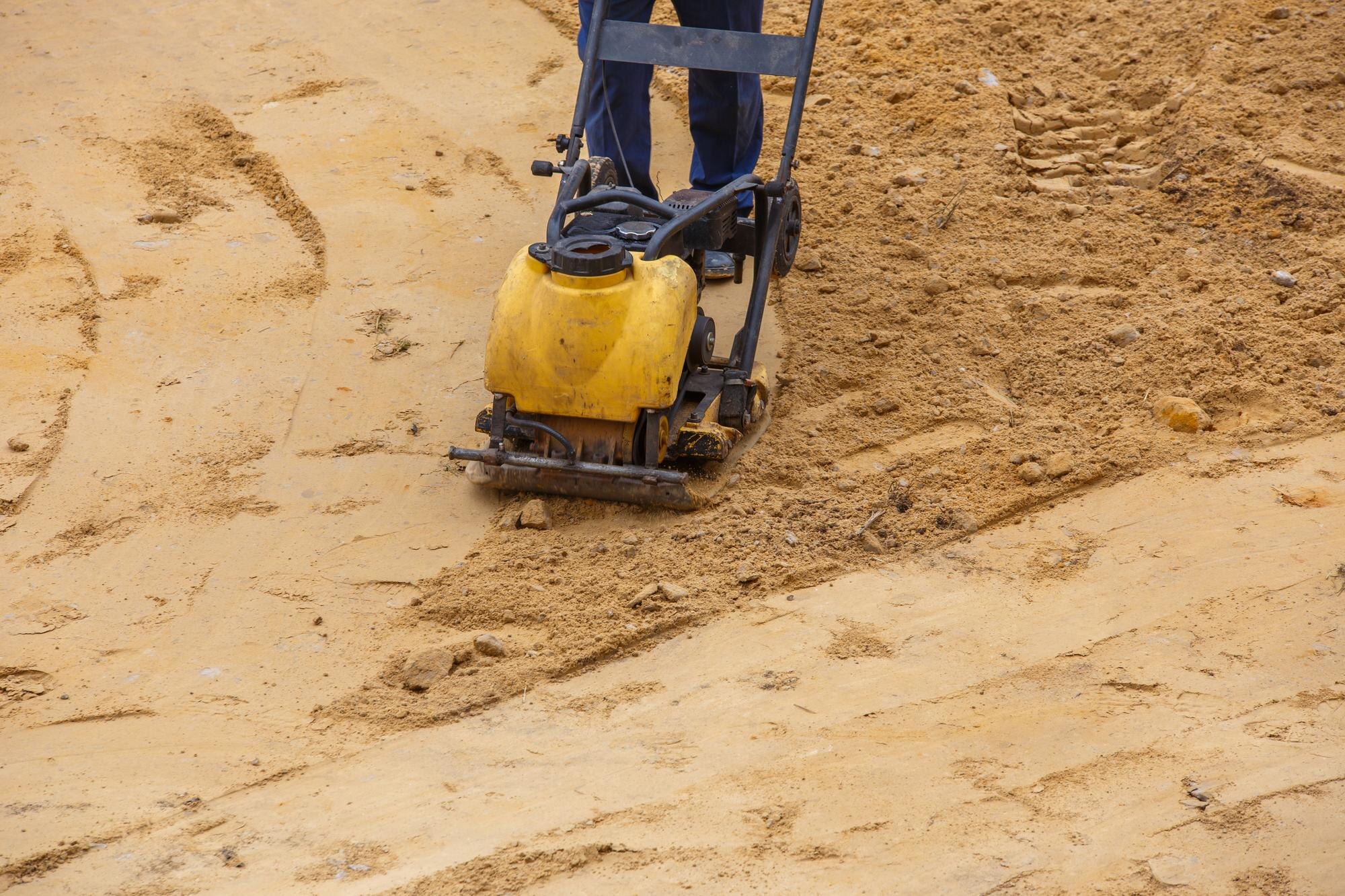
ZALIG Consulting offers unmatched expertise in Alberta’s soil conditions. We provide comprehensive control and customized solutions for your soil stabilization needs.
Comprehensive Compaction Control
At ZALIG, we understand that every project is unique. Our team delivers tailored compaction solutions that meet specific site challenges. From start to finish, we ensure your project meets local and national standards. Our expertise covers everything from initial testing to final quality checks.
Our commitment to quality means you can trust us to deliver reliable results. Whether you’re building roads or facilities, our compaction control ensures long-lasting foundations. Partnering with ZALIG means fewer delays and more successful projects.
Customized Solutions for Soil Stabilization
Every soil type requires a unique approach. At ZALIG, we offer customized solutions for soil stabilization. We analyze your site’s specific needs, tailoring our methods to ensure optimal performance.
Our team employs advanced techniques to enhance soil conditions. Whether you need chemical stabilization or geotechnical solutions, we have the expertise to deliver. Trust us to address your soil challenges and provide solutions that work. With our support, your projects not only meet but exceed expectations.
For more information, explore this detailed guide on soil stabilization techniques.
By focusing on moisture conditioning and expert testing, you position your project for success. ZALIG Consulting stands ready to assist, offering the expertise and quality you need.