
Geotechnical Site Investigations in Alberta: The Complete Guide
Most geotechnical site investigations in Alberta miss critical details that cause costly delays and redesigns. Your project deserves precise soil testing, borehole drilling, and site assessments from experts who understand local conditions. This guide breaks down every step of geotechnical site investigation Alberta teams need, so you can plan foundations, slopes, and groundwater monitoring with confidence. Keep reading to learn how ZALIG’s APEGA-certified engineers deliver clear, build-ready recommendations that keep projects on track. For more detailed guidelines, refer to this resource.
Understanding Geotechnical Site Investigations
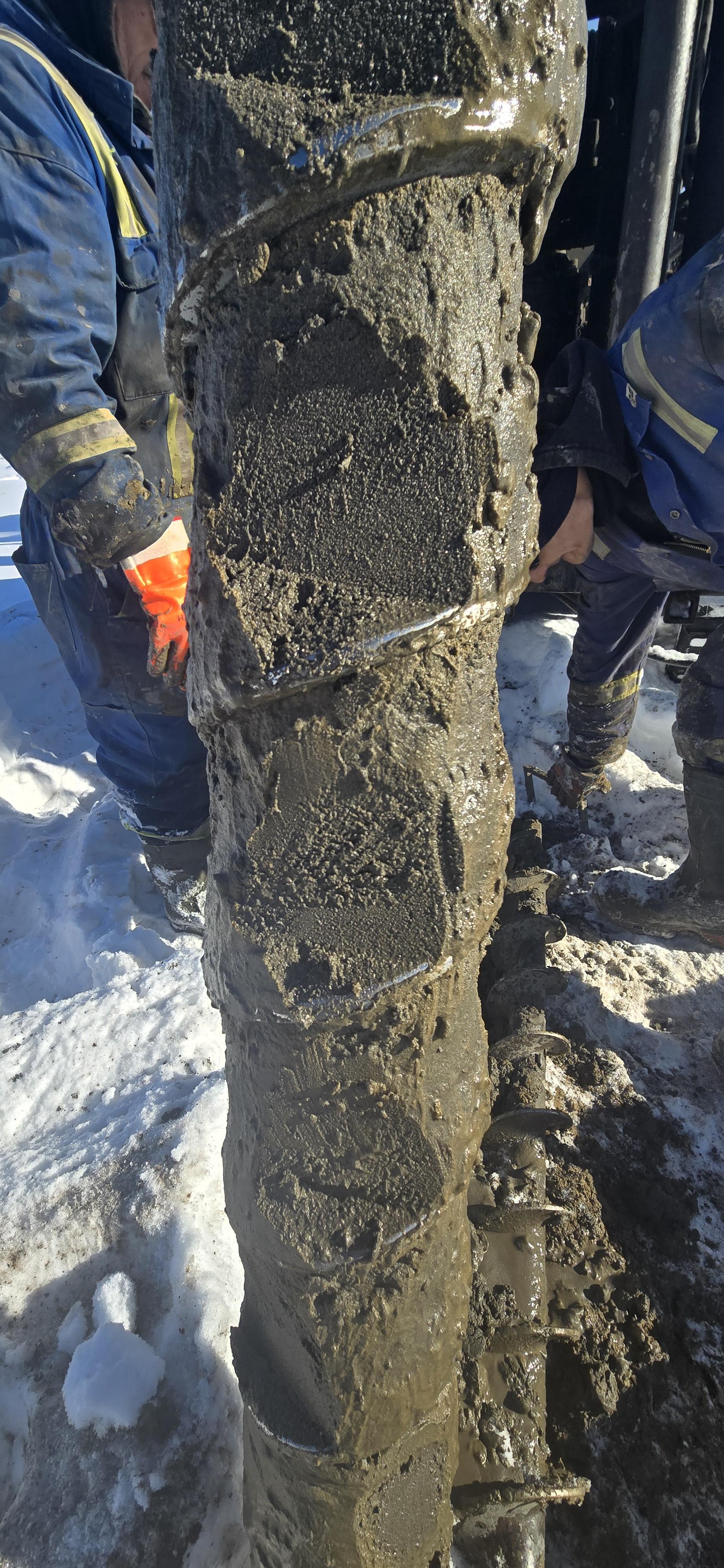
Every successful construction project in Alberta starts with a thorough geotechnical site investigation. Without it, you risk missing crucial factors that could derail your project.
Importance for Alberta Projects
In Alberta, the unique geological conditions make site investigations essential. Knowing the soil and rock properties helps you avoid unexpected issues like frost heave and expansive clay problems. These investigations save time and money by preventing costly redesigns. They provide you the data needed to ensure your project’s stability and longevity.
Key Investigation Techniques
Geotechnical experts use several techniques to understand the subsurface conditions. Borehole drilling allows them to extract samples and examine the soil layers. Cone Penetration Testing (CPT) and Standard Penetration Testing (SPT) measure soil properties directly on site. These methods deliver precise insights into the ground conditions.
Deliverables and Reporting Standards
The outcome of a site investigation is a comprehensive report that details findings and recommendations. This report serves as the foundation for foundation design and construction planning. It includes soil testing results, site conditions, and potential risks. By adhering to Alberta’s reporting standards, you ensure compliance and project safety.
Comprehensive Soil Testing Services
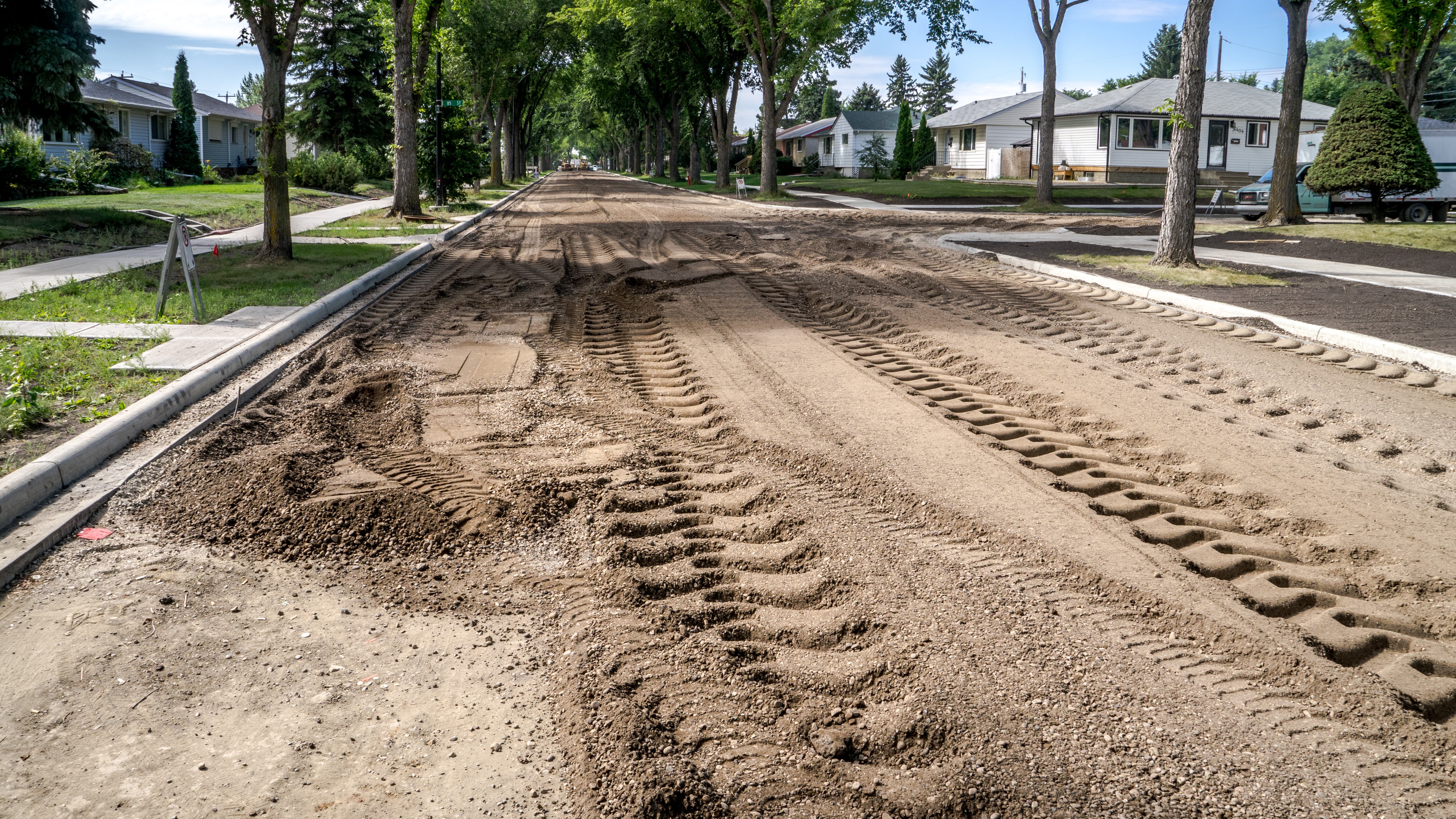
Understanding the exact composition of the soil beneath your project is non-negotiable. It influences everything, from foundation design to construction material testing.
Borehole Drilling and Its Role
Borehole drilling is a cornerstone of soil testing. It allows engineers to extract soil samples at various depths. By examining these samples, you gain insights into the soil’s characteristics. This step is crucial for projects in regions like Calgary and Edmonton, where soil conditions greatly vary.
In-Situ Testing Procedures
In-situ tests, such as SPT testing and CPT testing, help determine soil strength and density on-site. These tests are vital for assessing how the soil will behave under load. You get real-time data, which helps in making informed decisions about your project.
Laboratory Analysis and Results
Once samples are collected, laboratory analysis provides detailed data on soil composition. Tests assess factors like grain size, moisture content, and compaction. This analysis is critical for identifying issues like expansive clay, which can affect structural integrity. Accurate lab results guide the next steps in your project planning.
Foundation and Earthworks Design
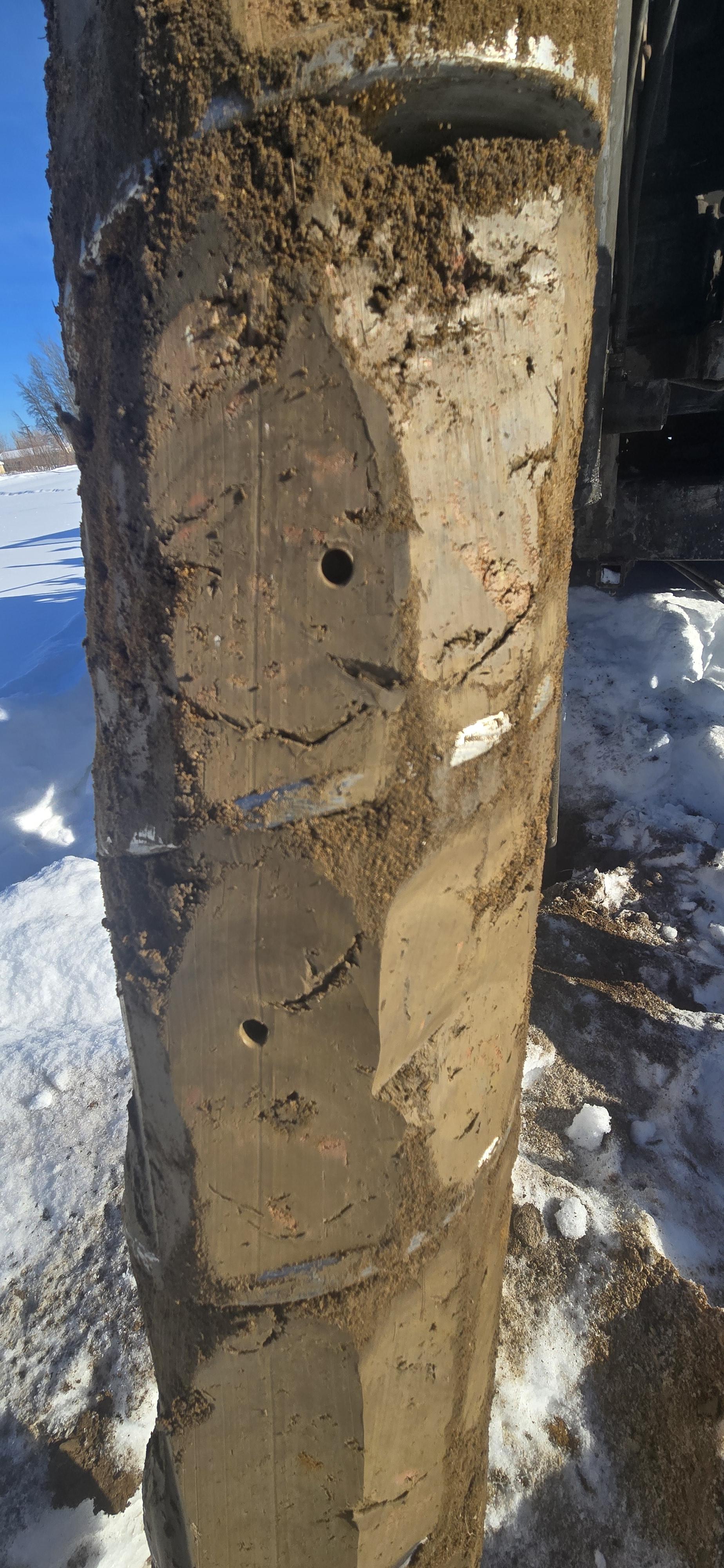
With soil data in hand, you can design robust foundations and earthworks tailored to Alberta’s unique conditions.
Shallow and Deep Foundation Design
Choosing the right foundation is crucial. Shallow foundations work for stable soils, while deep foundations, like pile design, are needed for challenging conditions. Understanding soil-bearing capacity ensures your building stands strong.
Assessing Slope Stability and Frost Heave
Slope stability is a potential concern in Alberta’s varied terrain. Assessing slopes helps prevent landslides and erosion. Similarly, understanding frost heave is essential to avoid winter-time soil movement that can damage foundations.
Effective Groundwater Monitoring
Monitoring groundwater levels helps prevent water-related issues. It’s key for projects near rivers or in areas with high water tables. Regular checks keep your project safe from unexpected water-related challenges. For more on monitoring techniques, this resource provides further insight.
By following these guidelines, you ensure that your construction project in Alberta not only meets but exceeds the necessary standards for safety and durability.