
Every skyscraper, roadway, and bridge rests on foundations shaped by geotechnical engineering projects, yet their role often remains invisible to the public eye. As we approach 2026, the importance of these projects only grows, ensuring our infrastructure is safe, resilient, and built to last.
This guide is designed for professionals and stakeholders who need a reliable, up-to-date resource on geotechnical engineering projects. Here, you will find essential concepts, a step-by-step project lifecycle, and the latest technologies and regulations shaping the industry.
Discover actionable insights for managing risk, driving sustainability, and delivering successful outcomes. The following sections will equip you to tackle the evolving challenges and seize new opportunities in geotechnical engineering. Start applying these principles today to lead your next project with confidence.
Understanding Geotechnical Engineering in 2026
Geotechnical engineering is the bedrock of safe, resilient, and sustainable infrastructure. This discipline, a specialized branch of civil engineering, focuses on the behavior of earth materials and their interaction with human-made structures. In 2026, geotechnical engineering projects are more vital than ever for supporting everything from skyscrapers and bridges to transportation corridors and energy facilities.
Defining Geotechnical Engineering
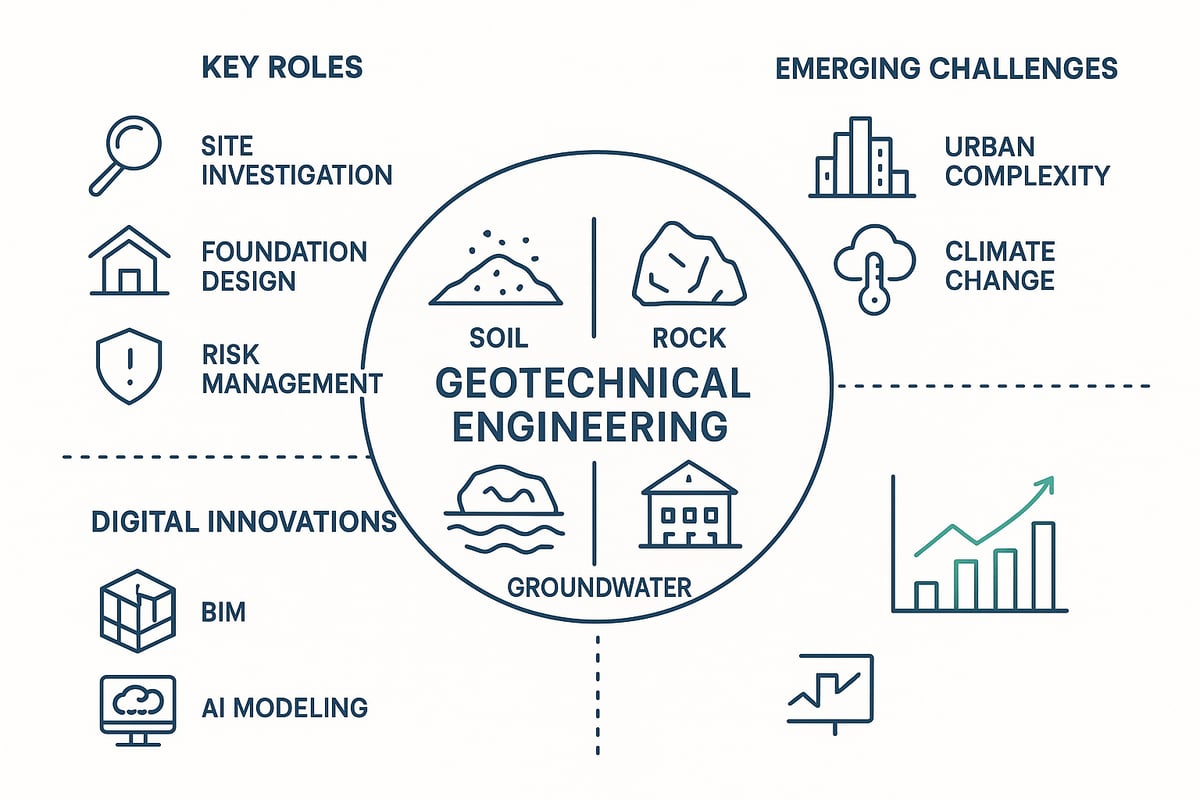
Geotechnical engineering is a branch of civil engineering dedicated to understanding the properties and performance of soil, rock, and groundwater. Its core mission is to evaluate how these materials interact with foundations, tunnels, retaining walls, and other structures.
This scientific approach is crucial for ensuring the stability, safety, and longevity of infrastructure. From the earliest planning stages, geotechnical engineering projects set the standard for risk management and environmental protection. For a deeper look at the field’s breadth, review this Geotechnical Engineering Services Overview.
Key Roles and Responsibilities
Professionals in geotechnical engineering projects carry out a wide range of responsibilities. Key activities include site investigation, soil sampling, and laboratory testing to determine ground conditions. They design foundations, analyze slope stability, and implement earth retention systems.
Additional duties involve assessing risks, navigating regulatory requirements, and ensuring ongoing site monitoring. Each step is critical to achieving safe and successful project outcomes.
Evolving Challenges and Opportunities
The landscape for geotechnical engineering projects in 2026 is rapidly changing. Urban and industrial developments are becoming larger and more complex, which increases the technical demands on engineering teams.
Climate change is altering soil behavior and groundwater levels, introducing new risks and uncertainties. As a result, there is a greater emphasis on developing sustainable and resilient solutions that address both immediate and long-term challenges.
Industry Trends and Innovations for 2026
The geotechnical sector is embracing a wave of innovation. Digital tools such as Building Information Modeling (BIM) and advanced geotechnical modeling software are now standard in geotechnical engineering projects. These technologies enable engineers to visualize subsurface conditions and collaborate seamlessly across disciplines.
Advancements in material testing and real-time monitoring are enhancing data accuracy and project safety. Integration with environmental and hydrotechnical engineering is becoming more common, supporting holistic solutions. Multidisciplinary collaboration is now at the core of successful project delivery.
The Value of Expert Consulting
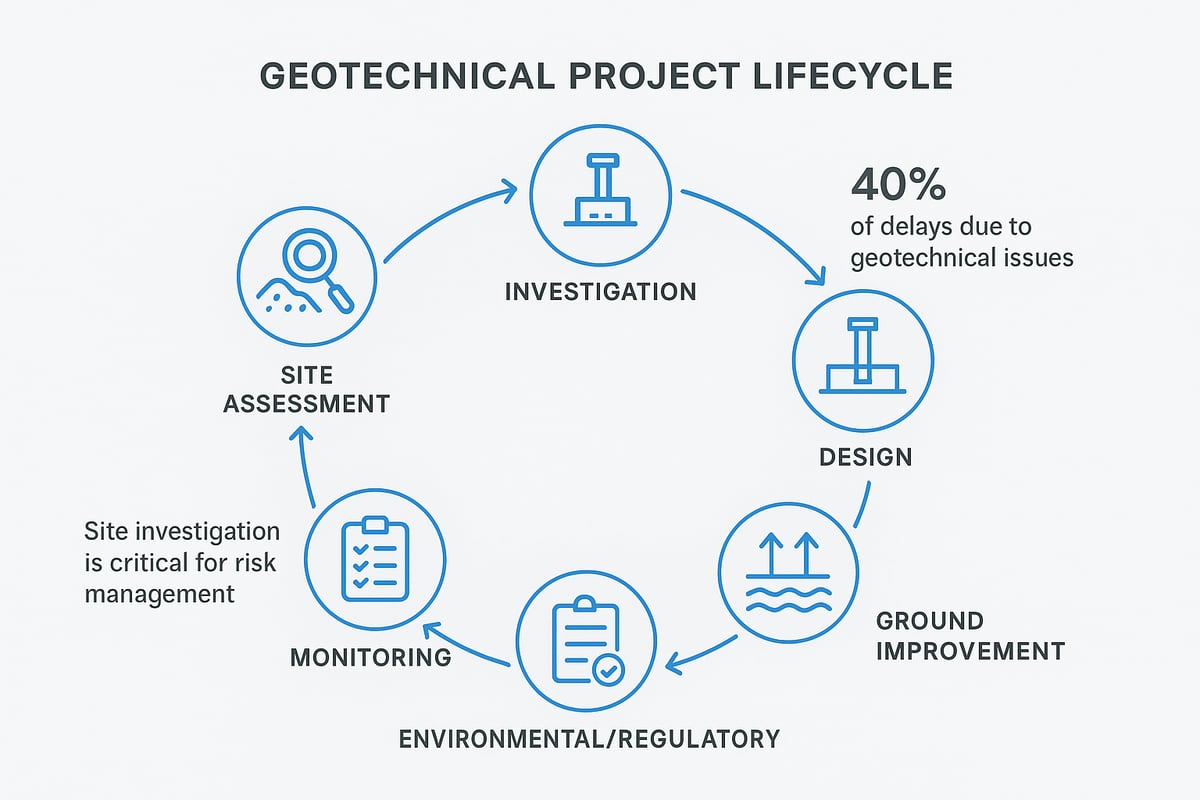
Engaging qualified geotechnical engineers early in the planning process is essential. Their expertise helps prevent costly foundation failures and project delays. Industry data reveals that geotechnical issues account for nearly 40 percent of global construction delays.
Real-world examples show that when geotechnical input is overlooked, the consequences can be severe. By prioritizing expert consulting, project teams can identify risks early, ensure regulatory compliance, and deliver geotechnical engineering projects that stand the test of time.
The Geotechnical Project Lifecycle: Step-by-Step
Understanding the lifecycle of geotechnical engineering projects is essential for delivering safe and resilient infrastructure. Each phase, from initial site assessment to final quality assurance, contributes to the overall success and sustainability of a project. Let’s break down each step to clarify the process and highlight best practices.
1. Preliminary Site Assessment
The first step in geotechnical engineering projects is a thorough preliminary site assessment. This phase involves desktop studies, where teams review historical data, old maps, and any previous site records. By gathering this information, engineers can identify potential geohazards, such as landslides or flood risks, and note environmental constraints that may impact the project.
Early engagement with stakeholders is also essential at this stage. Communicating with landowners, local authorities, and regulatory bodies helps clarify expectations and avoids misunderstandings later. A well-executed assessment lays the foundation for the remaining steps in geotechnical engineering projects.
2. Site Investigation and Soil Analysis
A comprehensive site investigation is the backbone of most geotechnical engineering projects. Fieldwork typically includes drilling boreholes, collecting soil and rock samples, and conducting in-situ tests like the Standard Penetration Test (SPT) or Cone Penetration Test (CPT). These tests provide vital data on soil composition, strength, and groundwater conditions.
Laboratory analysis further refines this information by testing for soil classification, compaction, moisture content, and permeability. In regions such as Alberta, understanding soil moisture and density is crucial due to climate and site-specific challenges.
All collected data are integrated to create an accurate site profile. This profile informs design decisions throughout the lifecycle of geotechnical engineering projects and helps manage risks effectively. Missing or incomplete data at this stage can lead to costly surprises during construction.
3. Foundation and Earthworks Design
After site characterization, the focus shifts to designing foundations and earthworks. Geotechnical engineering projects require selecting the right foundation system, which could be shallow pads, deep piles, caissons, or specialized supports depending on site conditions.
Design also includes earth retention structures, such as retaining walls, soil nails, and anchors. Slope stability analysis is another key part, especially for projects in hilly or unstable terrain. For example, highway expansions often require advanced slope stabilization to ensure long-term safety.
Careful design, based on robust site data, reduces the risk of settlement or failure. Collaboration between geotechnical, structural, and civil teams ensures the chosen solutions align with project goals.
4. Ground Improvement Techniques
Some sites demand additional ground improvement before construction. These techniques enhance soil properties, making them suitable for supporting structures. Common methods include soil stabilization, compaction, grouting, and using geosynthetics for reinforcement.
Modern geotechnical engineering projects benefit from innovative ground improvement strategies that address specific site challenges. Deciding when and why to use these methods is critical for project success. For a deeper exploration of available solutions and their applications, see Soil Stabilization and Ground Improvement Techniques.
Ground improvement not only mitigates risk but can also reduce construction costs and timelines by optimizing site conditions.
5. Environmental and Regulatory Considerations
Every phase of geotechnical engineering projects must comply with environmental and regulatory requirements. Environmental Impact Assessments (EIA) evaluate potential effects on soil, water, and ecosystems. Managing contaminated soils and groundwater is often necessary, especially for redevelopment or brownfield sites.
In Alberta, specific permitting and reporting requirements must be met at both provincial and federal levels. Staying ahead of these obligations ensures smoother approvals and fewer project delays.
Early and ongoing communication with regulators and stakeholders helps maintain transparency and fosters trust throughout the project lifecycle.
6. Construction Monitoring and Quality Assurance
The final stage in geotechnical engineering projects is construction monitoring and quality assurance. Field inspections confirm that site conditions align with initial assumptions and that construction follows the approved design.
Instrumentation, such as settlement plates and inclinometers, provides real-time feedback during and after construction. If unexpected conditions arise, teams can adjust designs promptly to maintain safety and performance.
Ongoing monitoring not only safeguards the immediate project but also supports long-term asset management. Consistent quality assurance at this stage is vital for delivering projects on time, within budget, and to the highest standards.
Advanced Technologies and Best Practices in 2026
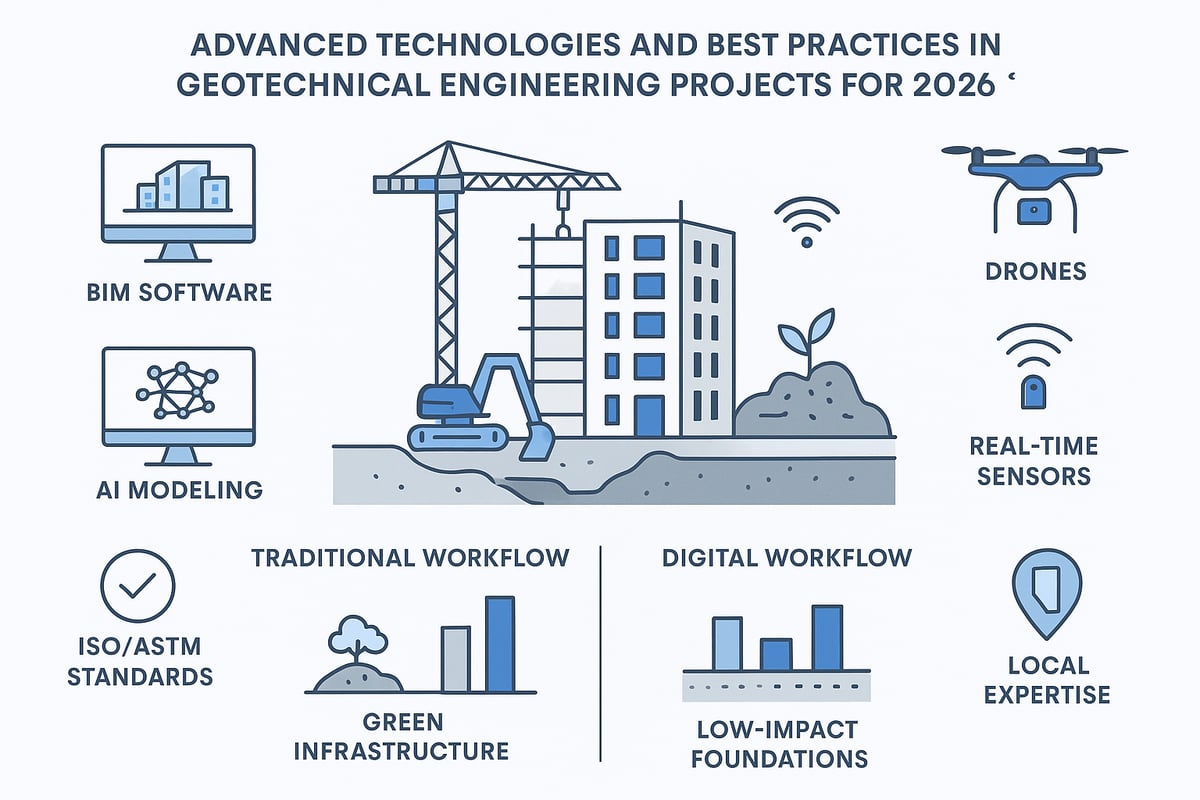
The landscape of geotechnical engineering projects in 2026 is shaped by rapid technological change and evolving industry standards. Professionals must embrace digital innovation, advanced testing, and sustainable best practices to ensure project success. Let’s explore the trends and tools defining the future of the field.
Digital Transformation in Geotechnical Engineering
Digital innovation is revolutionizing geotechnical engineering projects. Building Information Modeling (BIM) now enables teams to visualize subsurface conditions with exceptional clarity. Cloud-based platforms support secure, real-time collaboration across multidisciplinary teams.
Artificial intelligence is being used for predictive modeling of soil behavior and risk factors. These tools help engineers anticipate potential issues before construction begins.
By integrating geotechnical data with digital project management, firms can optimize design, reduce errors, and improve communication. The result is better decision-making throughout the project lifecycle.
Innovative Testing and Monitoring Methods
Testing and monitoring have advanced significantly in geotechnical engineering projects. Non-destructive testing (NDT) is now widely used for subsurface characterization, minimizing disturbance to the site.
Remote sensing technologies, such as drones and satellite imagery, provide detailed topographical and geophysical data quickly. Geophysical surveys help identify soil layers, rock properties, and groundwater conditions.
Real-time instrumentation, including settlement plates and inclinometers, enables ongoing performance monitoring during and after construction. This data-driven approach supports timely adjustments and risk management.
Sustainable and Resilient Solutions
Sustainability is a core focus for geotechnical engineering projects in 2026. Engineers are adopting low-impact foundation systems that minimize environmental disruption. These include helical piles, micropiles, and other innovative solutions.
Erosion control is integrated into project designs, using bioengineering methods and geosynthetics to stabilize soil and manage stormwater. Stormwater management is essential for reducing runoff and protecting local ecosystems.
Green infrastructure, such as permeable pavements and vegetated slopes, is gaining traction in Western Canada and beyond. These approaches help create resilient communities that can adapt to changing climate conditions.
Case Studies: Successful Geotechnical Projects
Recent geotechnical engineering projects showcase the benefits of advanced technologies and best practices. For example, a major bridge constructed in a seismic zone required the integration of seismic design principles with soil improvement techniques. This combination ensured long-term safety and resilience.
Brownfield redevelopment projects have demonstrated effective management of contaminated soils and groundwater, using real-time monitoring and adaptive remediation strategies. Infrastructure upgrades, like highway expansions, have benefited from advanced monitoring, reducing construction disruption and improving outcomes.
For more real-world examples of innovative approaches, review Real-World Geotechnical Project Examples to see how these principles are applied in practice.
Industry Standards and Quality Management
Adherence to industry standards is critical in geotechnical engineering projects. The use of ISO and ASTM standards ensures consistency in testing, reporting, and quality control.
| Standard | Application | Benefit |
|---|---|---|
| ISO | Testing procedures | Global consistency |
| ASTM | Material classification | Reliable performance |
Internal quality control programs, along with certified laboratories and experienced personnel, are essential for maintaining project integrity. Continuous improvement initiatives drive higher standards and better results.
ZALIG Consulting Ltd: Leading Geotechnical Solutions in Alberta
ZALIG Consulting Ltd is recognized for its leadership in geotechnical engineering projects across Alberta. Their multidisciplinary teams provide expertise in geotechnical, environmental, and material testing.
With a strong local presence, ZALIG delivers tailored solutions for site investigations, foundation design, and construction monitoring. Their certified quality processes ensure safe, compliant, and cost-effective project outcomes.
Clients benefit from ZALIG’s deep understanding of Alberta’s unique conditions, helping them achieve success in both public and private sector projects.
Regulatory, Environmental, and Risk Management Essentials
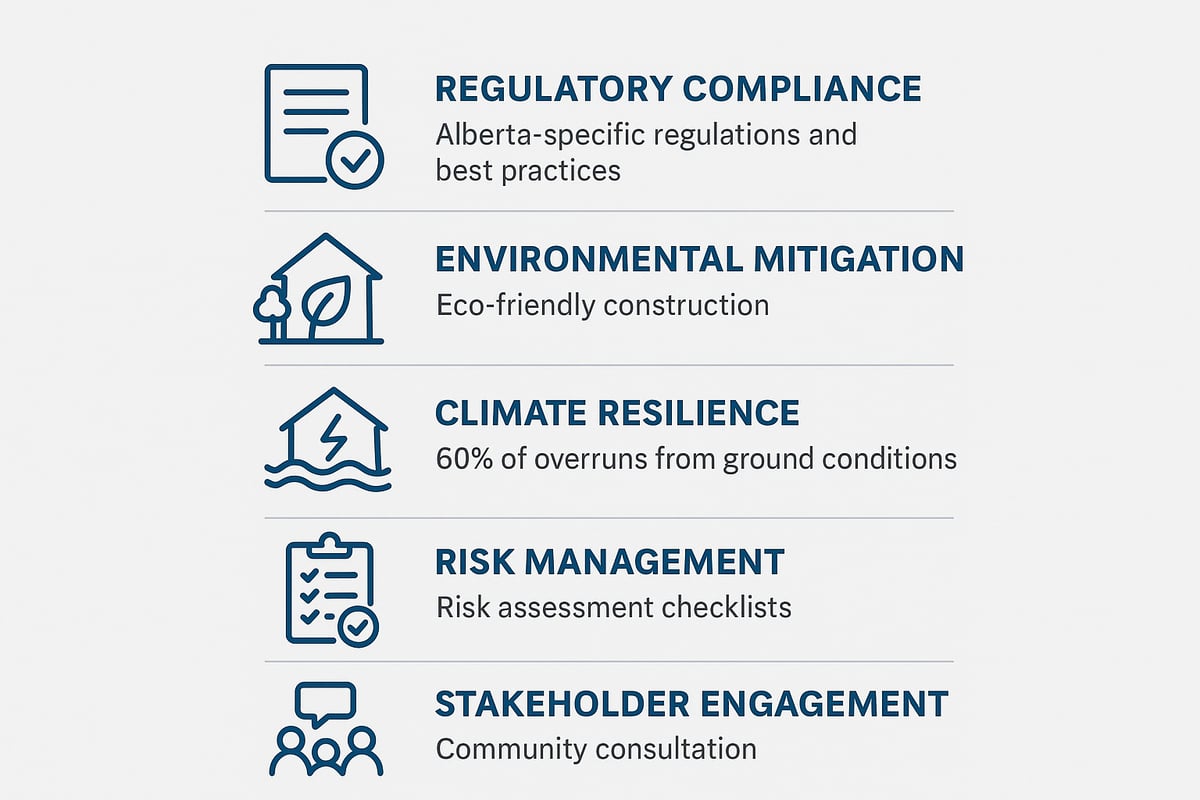
Navigating the regulatory, environmental, and risk management landscape is essential for the success of geotechnical engineering projects. In 2026, a proactive approach to compliance, sustainability, and stakeholder engagement will define industry leaders. Here is a practical guide to mastering these foundational elements for project delivery.
Navigating Regulatory Requirements
Regulatory oversight shapes every phase of geotechnical engineering projects. In Canada and Alberta, professionals must comply with zoning laws, environmental protection acts, and occupational safety standards. Each set of regulations influences project design, site investigation, and reporting.
Essential regulatory steps for geotechnical engineering projects include:
- Securing municipal and provincial permits
- Conducting Environmental Impact Assessments (EIA)
- Adhering to Occupational Health and Safety (OHS) guidelines
- Preparing thorough documentation for authorities
Staying informed about evolving regulations is critical. Local agencies may require additional reporting or public disclosures, especially for complex or high-profile geotechnical engineering projects. Early consultation with regulatory bodies can prevent delays and facilitate smoother approvals.
Environmental Impact and Mitigation Strategies
Environmental stewardship is at the core of responsible geotechnical engineering projects. Identifying contaminated sites, protecting groundwater, and managing erosion are non-negotiable steps in the project lifecycle.
Key mitigation strategies include:
- Comprehensive site assessments to detect soil and water contaminants
- Implementing dewatering systems to safeguard groundwater
- Installing erosion and sediment controls during excavation and construction
Geotechnical engineering projects must balance development needs with environmental preservation. This involves close coordination with environmental consultants and adherence to all regulatory requirements. Proactive mitigation not only reduces risk but also builds trust with stakeholders and the local community.
Seismic and Climate Resilience
As climate patterns shift and seismic risks evolve, geotechnical engineering projects must adapt to ensure long-term safety and performance. Assessing seismic hazards is a prerequisite in many regions, especially for infrastructure like bridges, dams, and buildings.
Critical considerations for resilience in geotechnical engineering projects:
- Conducting site-specific seismic hazard analyses
- Designing foundations for flood-prone or permafrost-affected areas
- Integrating slope stability assessments for vulnerable terrains
For example, projects in flood zones require elevated foundations and robust drainage systems. By factoring in climate resilience from the outset, project teams can reduce lifecycle costs and protect assets against extreme events.
Risk Assessment and Management
Systematic risk management is vital for the success of geotechnical engineering projects. Unforeseen ground conditions, such as variable soil types or hidden geohazards, contribute to 60% of project overruns. Proactive identification and mitigation of these risks are essential.
Risk management steps include:
- Detailed site investigations and laboratory testing
- Slope stability analysis, settlement prediction, and monitoring
- Implementing design adaptations and contingency plans
For projects involving slopes or unstable ground, specialized Slope Stability Analysis and Solutions are crucial for safety and compliance. Regular monitoring with modern instrumentation enables real-time responses to emerging risks, minimizing costly delays.
Stakeholder Communication and Public Engagement
Transparent communication is a hallmark of effective geotechnical engineering projects. Stakeholders, including clients, regulators, and the public, require clear updates on project progress, risks, and environmental impacts.
Best practices for engagement include:
- Regular project briefings and written reports
- Public consultation sessions for major developments
- Open channels for addressing community concerns
Early and ongoing engagement fosters trust and helps resolve issues before they escalate. By integrating stakeholder feedback, geotechnical engineering projects can achieve greater acceptance and long-term success.
Future Outlook: Geotechnical Engineering Beyond 2026
The future of geotechnical engineering projects is shaped by rapid innovation, global challenges, and the need for sustainable solutions. As we look beyond 2026, professionals and stakeholders must anticipate new materials, digital integration, and evolving skill requirements to secure resilient infrastructure.
Emerging Materials and Construction Techniques
Next-generation materials are transforming geotechnical engineering projects. Smart geosynthetics equipped with sensors allow for real-time monitoring of ground performance. Modular and prefabricated foundation systems are gaining popularity, offering faster installation and reduced site disturbance. These advancements support rapid construction and sustainability goals.
A comparison of emerging vs. traditional materials:
| Material Type | Benefits | Application Example |
|---|---|---|
| Smart Geosynthetics | Monitoring, durability | Road embankments |
| Modular Foundations | Speed, efficiency | Urban buildings |
| Recycled Aggregates | Sustainability, cost savings | Road base layers |
To explore more about upcoming trends like digital twins and geothermal integration, see Future Trends in Geotechnical Engineering.
Integration with Other Engineering Disciplines
Future geotechnical engineering projects will rely on strong cross-disciplinary collaboration. Environmental engineers contribute expertise in soil remediation and water management. Hydrotechnical engineers help address flood resilience and drainage. Digital twins and integrated infrastructure management platforms will connect these disciplines, enabling data sharing and better decision-making.
By integrating geotechnical engineering projects with transportation and structural teams, owners can minimize risks and improve project outcomes. This holistic approach will become standard practice as infrastructure grows more complex.
Talent, Education, and Workforce Development
The demand for skilled professionals in geotechnical engineering projects is expected to rise significantly. Companies seek engineers with expertise in digital tools, sustainability, and advanced materials. Training programs are evolving to include AI-driven modeling, data analytics, and smart monitoring technologies.
Academic partnerships and industry-academia collaboration will play a critical role in closing the skills gap. Certification and ongoing professional development ensure that geotechnical engineering projects benefit from up-to-date knowledge and safe practices.
Global Perspectives and Benchmarking
Learning from international mega-projects is essential for Canadian geotechnical engineering projects. Projects like high-speed rail, deep tunnels, and offshore structures provide valuable lessons in risk management and innovation. Benchmarking against global standards ensures competitiveness and quality.
For an in-depth look at global market trends, regional advancements, and growth projections for geotechnical engineering projects, see Geotechnical Engineering Market Trends and Growth Analysis.
Key Challenges and Opportunities Ahead
Urbanization and resource development present both obstacles and opportunities for geotechnical engineering projects. Environmental stewardship will remain a top priority, with stricter regulations and public expectations. Innovation in materials, monitoring, and digital collaboration will help address evolving client and community needs.
Preparing for regulatory change and advancing technology is essential. Geotechnical engineering projects must remain agile, embracing new methods while upholding quality and safety.
Actionable Steps for Project Owners and Stakeholders
To succeed in future geotechnical engineering projects, owners should:
- Develop a checklist for site investigation, design, and monitoring.
- Select experienced consultants with multidisciplinary capabilities.
- Invest in quality control, safety, and innovation from project start to finish.
By adopting these practices, stakeholders can deliver resilient, cost-effective, and future-ready geotechnical engineering projects.
As you plan your next geotechnical engineering project, it’s clear that success depends on expert insight, thorough testing, and a proactive approach to risk and sustainability—especially with the evolving challenges of 2026 in mind. At ZALIG Consulting Ltd, we understand the unique demands of Alberta’s environment and regulations, and our team is here to help you achieve safe, compliant, and cost-effective outcomes. If you’d like to discuss your goals or have questions about the best way forward, we’re always ready to connect.
Contact Us: info@zalig.ca or +1 800 515 0497