

As the world faces escalating environmental crises in 2026, the demand for sustainable solutions has never been greater. From rising pollution to resource depletion, professionals are searching for ways to address these urgent challenges.
This guide focuses on geoenvironmental engineering, an evolving discipline at the intersection of earth sciences and sustainability. Here, you will discover the latest sustainable solutions, regulatory updates, and proven strategies shaping the future of environmental management.
Explore fundamental concepts, innovative technologies, and actionable steps to make a meaningful impact. Get ready to turn knowledge into action with a comprehensive roadmap for overcoming complex environmental problems.
Foundations of Geoenvironmental Engineering
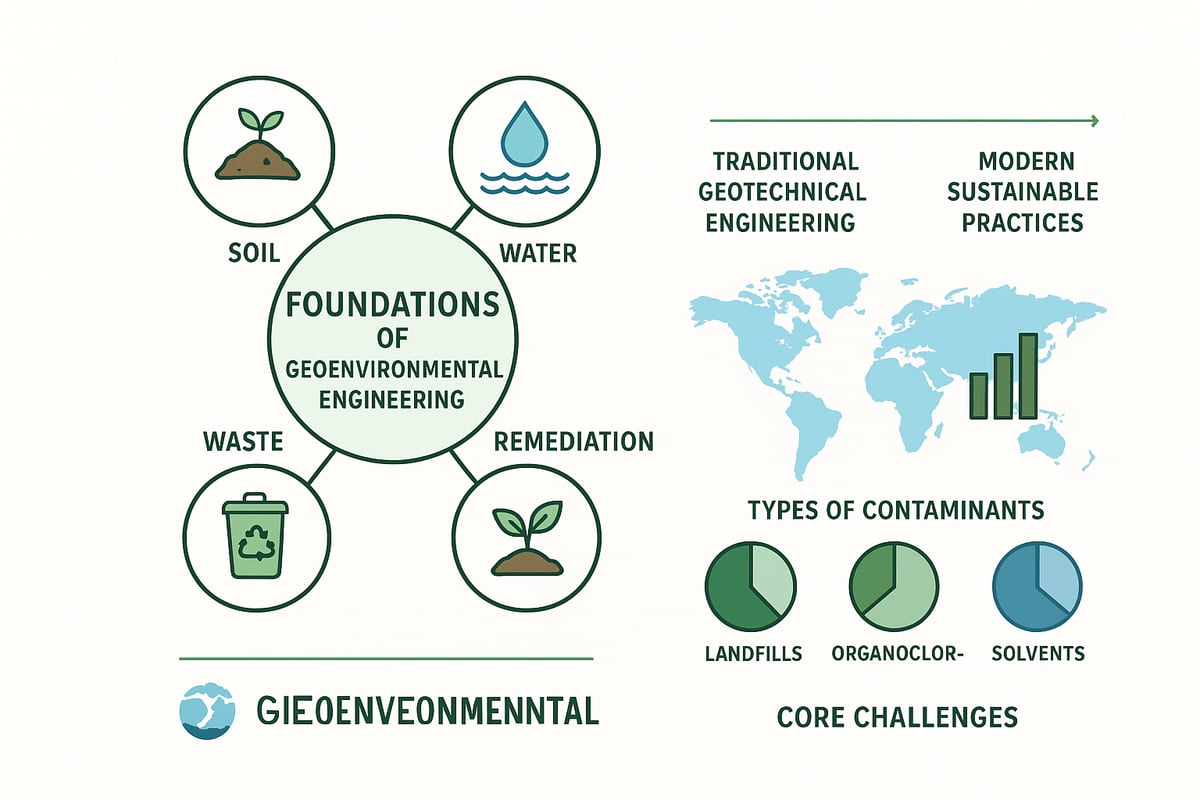
Geoenvironmental engineering plays a pivotal role in safeguarding our planet as environmental risks intensify. At its core, this discipline integrates geotechnical, environmental, and hydrological engineering to systematically address issues such as soil, rock, and groundwater contamination. By blending these fields, professionals can develop holistic solutions that mitigate the impact of industrialization and urban sprawl.
Definition and Scope
Geoenvironmental engineering is defined by its multidisciplinary approach. It encompasses the study and management of contaminated soils, rocks, and groundwater, focusing on both prevention and remediation. This field responds to the pressing need for sustainable land use, resource conservation, and pollution control, all while ensuring public safety and ecological health.
Historical Evolution
Originally, geotechnical engineering was primarily concerned with the mechanical behavior of earth materials for construction. Over time, as environmental awareness grew, the scope expanded to include the management of contaminants and the protection of natural resources. The shift toward sustainability has driven the adoption of practices that prioritize long-term ecosystem health over short-term gains.
Key Principles
Four foundational principles guide geoenvironmental engineering:
- Contaminant Transport: Understanding how pollutants move through soil and groundwater.
- Waste Containment: Designing barriers and systems to safely isolate hazardous materials.
- Remediation Techniques: Applying physical, chemical, and biological methods to restore contaminated sites.
- Material Reuse: Promoting circularity by incorporating recycled materials into engineering projects.
These principles ensure that solutions are comprehensive, effective, and environmentally responsible.
Interdisciplinary Nature
Success in geoenvironmental engineering relies on collaboration between civil, chemical, and environmental engineers. Working together, these experts develop strategies that address complex challenges across the lifecycle of a project. For a deeper look at the services and expertise required in this field, explore the Environmental Engineering Services Overview.
Core Challenges
Engineers in this domain face a range of pressing challenges. The table below summarizes some of the most critical issues:
| Challenge | Description |
|---|---|
| Landfill Management | Designing safe, efficient waste containment |
| Hazardous Waste | Isolating and treating toxic substances |
| Groundwater Pollution | Preventing and remediating aquifer contamination |
| Ecosystem Impacts | Minimizing harm to surrounding environments |
Each challenge demands innovative and adaptive solutions.
Importance in 2026
The urgency for sustainable geoenvironmental engineering continues to grow in 2026. Rapid urbanization, climate change, and tightening environmental regulations are driving demand for advanced remediation and containment strategies. According to recent data, the number of globally contaminated sites has risen sharply, underscoring the need for effective intervention.
Example: Biogeotechnical Engineering
One innovative approach is biogeotechnical engineering, which harnesses natural biological processes to enhance soil remediation. By leveraging microbes and plants, this method accelerates the breakdown of contaminants, making previously unusable land safe for redevelopment.
In summary, geoenvironmental engineering stands at the intersection of science, technology, and environmental stewardship. Its evolution reflects society's growing commitment to sustainability, resilience, and responsible land management.
Innovative Technologies and Methods in Sustainable Geoenvironmental Engineering
As the world faces increased environmental pressures, geoenvironmental engineering is rapidly evolving. Professionals are adopting advanced technologies and methods to address contamination, manage waste, and promote sustainability. These innovations are transforming how sites are remediated, materials are reused, and containment systems are designed.
Advances in Containment Systems
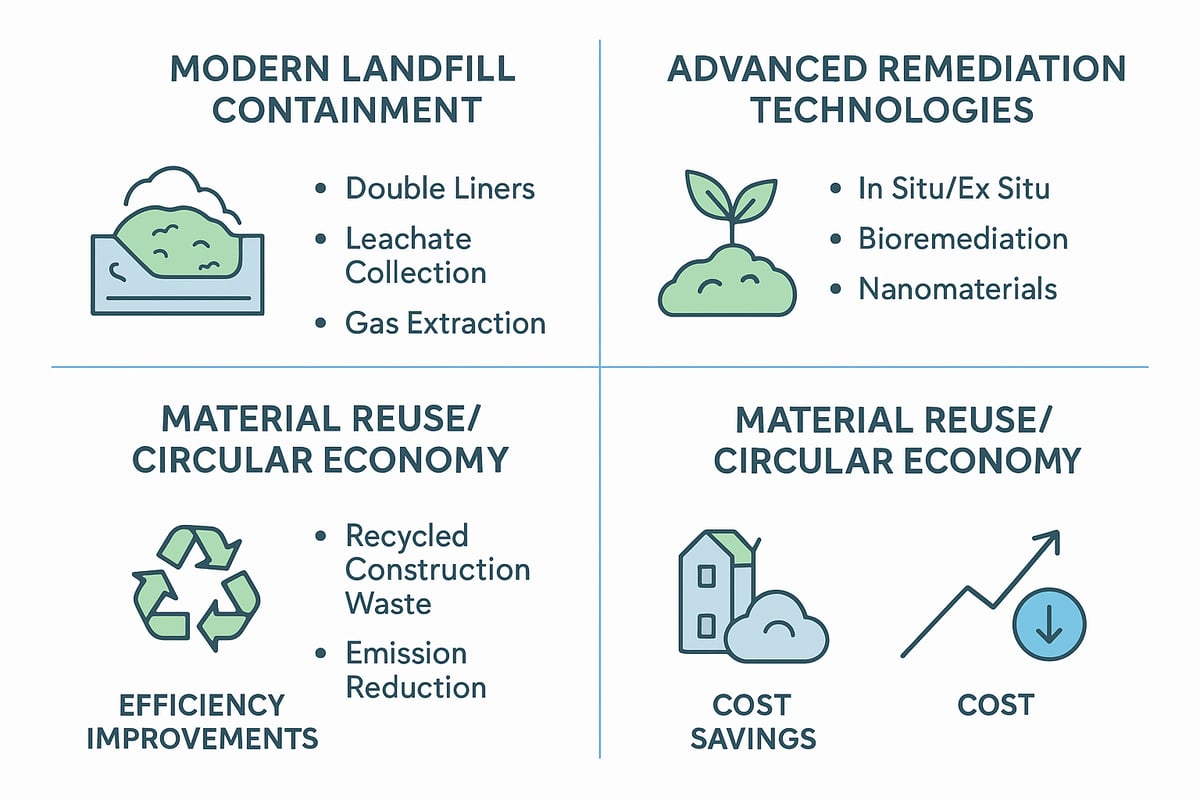
Modern landfill containment is a cornerstone of geoenvironmental engineering, with recent advances improving both environmental performance and operational efficiency. Contemporary landfill designs incorporate double liner systems, which provide two protective barriers to minimize leakage and safeguard groundwater. These liners are paired with sophisticated leachate collection networks and gas extraction systems that capture methane for energy use.
Geosynthetics have revolutionized landfill engineering. These materials, including geomembranes and geotextiles, are now used extensively in liners, covers, and embankments. Their durability and flexibility enhance stability and reduce the risk of contaminant migration. Vertical expansion techniques allow landfills to increase capacity without consuming additional land, making waste management more sustainable.
A real-world example is the implementation of vertical landfill expansions, which have been shown to extend site lifespan by up to 30 percent. Additionally, landfill gas capture efficiency has improved significantly, with some facilities recovering over 85 percent of generated methane. For more detailed strategies, see Solid Waste Management Strategies.
These innovations ensure geoenvironmental engineering projects meet stricter regulations while reducing long-term risks to ecosystems and communities.
Remediation Technologies: Trends and Effectiveness
Remediation is a critical focus in geoenvironmental engineering, with both in situ and ex situ technologies gaining traction. In situ remediation methods, such as chemical oxidation and bioremediation, treat contamination directly in the ground, minimizing disturbance. Bioremediation leverages microorganisms to break down pollutants, offering an eco-friendly solution for hydrocarbons and organic contaminants.
Emerging technologies like nanomaterials and electrokinetic remediation are expanding the toolkit for engineers. Nanomaterials, with their high surface area, can accelerate contaminant breakdown, while electrokinetic methods use electrical currents to mobilize and extract pollutants from soils.
A notable case study is the use of bioreactor landfills, where controlled moisture and aeration accelerate waste degradation. These systems can reduce landfill stabilization time by up to 50 percent compared to traditional methods.
Effectiveness varies by site conditions, but data show advanced technologies can improve remediation success rates by 20 to 40 percent. Cost reductions are also significant, with some projects reporting savings of up to 25 percent over conventional approaches.
By integrating these methods, geoenvironmental engineering professionals can address a wider range of contaminants more efficiently and sustainably.
Material Reuse and Circular Economy Approaches
Material reuse is at the heart of sustainable geoenvironmental engineering, supporting a circular economy that prioritizes resource efficiency. Engineers now incorporate recycled materials, such as crushed concrete and reclaimed asphalt, into construction and landfill cover systems. This practice reduces demand for virgin resources and diverts waste from landfills.
Circular economy principles are increasingly embedded in project design. By planning for material recovery and waste minimization from the outset, projects achieve long-term sustainability goals. A practical example is the use of construction and demolition (C&D) waste as fill material, which not only cuts costs but also lowers the environmental impact.
The benefits are clear. Studies report that using recycled materials can reduce a project's carbon footprint by up to 40 percent. Material costs may decrease by 20 to 30 percent, while emissions from transportation and processing are also minimized.
| Approach | Carbon Footprint Reduction | Material Cost Savings |
|---|---|---|
| Recycled Concrete in Covers | Up to 40% | 20-25% |
| C&D Waste as Fill | 30-35% | 25-30% |
By embracing circular economy strategies, geoenvironmental engineering projects can deliver measurable environmental and economic benefits, setting new standards for sustainability in 2026.
Regulatory Landscape and Policy Developments in 2026
Navigating the complex regulatory landscape is crucial for professionals in geoenvironmental engineering. In 2026, both global and regional authorities are tightening standards to address escalating environmental risks. This shift is reshaping how projects are planned, executed, and maintained.
Global and Regional Regulatory Frameworks
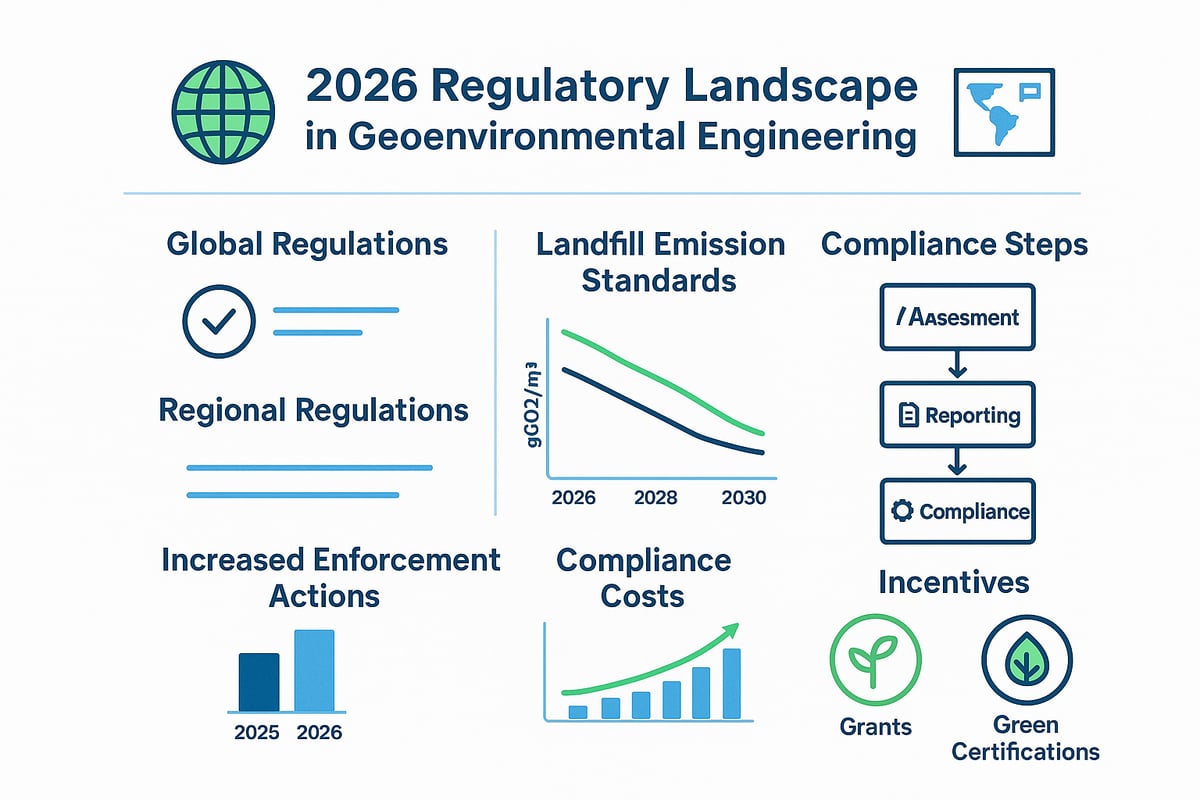
Regulations governing geoenvironmental engineering now cover a broad spectrum, from landfill emissions to groundwater protection and hazardous waste management. Authorities worldwide are harmonizing their frameworks to address shared concerns, such as transboundary pollution and waste transport.
Regional agencies are adopting stricter site assessment and remediation mandates. For instance, the European Union and North America have both updated their landfill emission standards, targeting methane capture and leachate containment. These measures directly impact how geoenvironmental engineering projects are designed and operated.
Recent Policy Shifts and Compliance Challenges
One major trend in 2026 is the push for more rigorous compliance in geoenvironmental engineering. New policies demand detailed documentation, continuous monitoring, and transparent risk communication. Many jurisdictions now require real-time data reporting and periodic audits.
These shifts raise compliance costs and administrative burdens, especially for projects involving hazardous materials. Staying current with evolving requirements is essential, as enforcement actions and penalties have increased significantly in recent years. For further insights on waste management compliance, refer to Hazardous Waste Solutions.
International Standards and Incentives
International standards play a pivotal role in shaping geoenvironmental engineering practices. Key organizations like ISO and ASTM regularly update guidelines to reflect scientific advances and best practices. Countries often tailor these standards to their unique regulatory environments, but global harmonization is increasing.
To drive sustainability, governments offer financial incentives such as grants, tax credits, and green certifications. These programs encourage the adoption of innovative materials, energy-efficient systems, and low-impact remediation methods. Projects meeting or exceeding international standards can access additional funding and recognition.
Real-World Examples and Data Trends
A notable example is the adoption of Sediment Quality Guidelines (SQGs) in contaminated site assessments. These standards provide a scientific basis for evaluating sediment risks and determining appropriate remediation levels.
Data from 2026 shows a clear rise in enforcement actions and compliance costs across the geoenvironmental engineering sector. Regulatory agencies have increased site inspections, and the average cost of maintaining compliance has grown by over 15 percent in the last three years. The heightened focus on sustainability and risk reduction is expected to continue shaping the future of geoenvironmental engineering.
Risk Assessment and Site Characterization for Sustainable Solutions
Effective risk assessment and site characterization are the foundation of sustainable geoenvironmental engineering projects. As environmental challenges become more complex, these processes ensure that remediation and containment strategies are both targeted and efficient.
Site Investigation Techniques
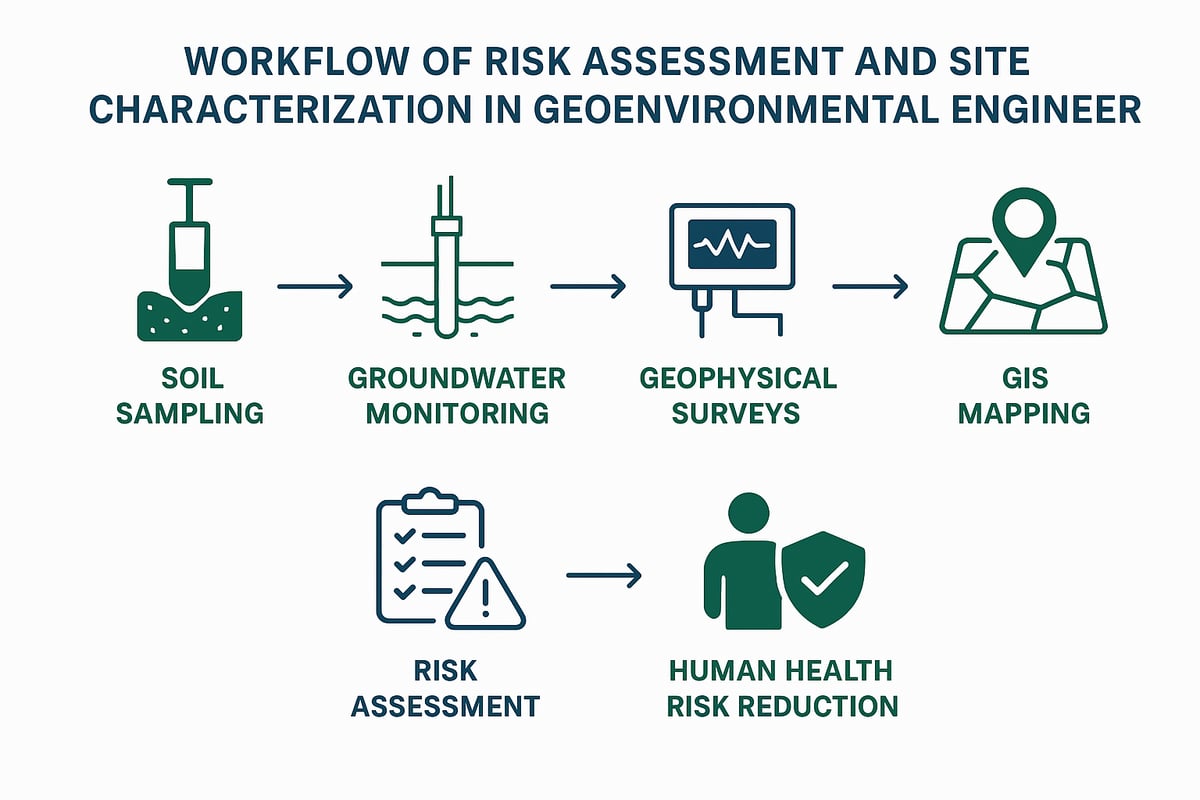
Site investigation is the first step in any geoenvironmental engineering project. Accurate assessment of soil, groundwater, and subsurface conditions guides remediation strategies and ensures compliance with regulatory standards.
Common techniques include:
- Soil sampling and analysis
- Groundwater monitoring wells
- Geophysical surveys such as electrical resistivity and ground-penetrating radar
Advanced modeling tools now play a significant role in predicting contaminant transport and migration patterns. Digital mapping, especially using GIS, allows for the visualization of subsurface contamination and supports data-driven decision-making.
For example, digital mapping of contamination plumes can reveal migration trends that inform both short-term and long-term remediation plans. Real-time data collection from smart sensors improves the accuracy and efficiency of site assessments.
Professionals often rely on specialized Soil Sampling and Investigation services to obtain precise data, which is essential for successful geoenvironmental engineering. Accurate site characterization reduces uncertainties, helping teams prioritize resources and select the most effective solutions for sustainability.
Environmental Impact and Human Health Risk Assessment
Once site conditions are understood, risk assessment frameworks evaluate the potential impacts on ecosystems and human health. These frameworks are integral to geoenvironmental engineering, guiding project design and remediation goals.
Key elements include:
- Hazard identification and exposure assessment
- Dose-response evaluation
- Risk characterization and management strategies
Integrating risk assessment into early project planning allows for tailored solutions that address both regulatory requirements and stakeholder concerns. For instance, risk-based remediation at military-contaminated sites has led to significant reductions in health incidents by focusing cleanup efforts where risks are highest.
Data shows that proactive risk management in geoenvironmental engineering projects decreases the likelihood of adverse health outcomes and environmental damage. By continuously refining assessment methods and leveraging new technologies, professionals can deliver safer, more sustainable solutions for communities and the environment.
Case Studies: Successful Sustainable Geoenvironmental Projects
Real-world case studies are pivotal for understanding how geoenvironmental engineering translates sustainable theory into measurable outcomes. By examining diverse projects, professionals can see how innovative practices are applied, challenges are overcome, and environmental goals are achieved.
Municipal Solid Waste Landfill Innovations
Modern geoenvironmental engineering has transformed landfill management, focusing on sustainability and resource efficiency. One leading example is the deployment of smart sensors for real-time biodegradation monitoring within municipal solid waste landfills. These sensors provide continuous data on gas production, moisture, and temperature, enabling site operators to optimize waste decomposition and capture methane for energy.
Key outcomes include:
- Increased landfill lifespan through improved compaction and space utilization
- Methane emissions reduced by up to 40 percent, contributing to climate goals
- Enhanced safety via early detection of leachate and gas migration
These innovations align with global sustainability trends and showcase how geoenvironmental engineering is essential for modern waste management. For those seeking further insights into cutting-edge practices, the International Webinar Series on Geoenvironmental Engineering offers in-depth discussions on landfill sustainability and emerging monitoring tools.
Remediation of Contaminated Sites
Effective remediation of contaminated sites is a cornerstone of geoenvironmental engineering. Integrated approaches, such as combining in situ chemical oxidation with bioremediation, have proven highly successful at industrial brownfield locations. For instance, a recent project treated a former manufacturing site by injecting oxidants to break down organic pollutants, followed by the introduction of specialized microbes to accelerate natural biodegradation.
Key results included:
- Soil and groundwater contaminant levels reduced by over 80 percent
- Project timelines shortened by 30 percent compared to traditional excavation
- Long-term monitoring confirmed minimal rebound of pollutants
These outcomes highlight how geoenvironmental engineering delivers measurable improvements in environmental quality. The integration of advanced technologies also leads to significant cost savings and reduced disruption to local communities.
Phytoremediation and Biogeotechnical Solutions
Phytoremediation and biogeotechnical methods are gaining traction in geoenvironmental engineering for their ecological benefits and cost-effectiveness. By leveraging the natural abilities of plants and microbes, engineers can remediate sites impacted by heavy metals and organic contaminants. For example, aquatic phytoremediation has been used to control eutrophication in urban water bodies, reducing nutrient loads and restoring ecological balance.
Biogeotechnical innovations often draw inspiration from geomimicry, a concept explored in Geomimicry in Sustainable Materials Design, where natural processes inform adaptive remediation strategies. These approaches support circular economy goals and promote long-term site recovery.
Nuclear and Hazardous Waste Management
Managing nuclear and hazardous waste presents unique challenges for geoenvironmental engineering. Lessons from major remediation efforts, such as those at Chernobyl and Fukushima, demonstrate the effectiveness of multi-layer containment systems and ongoing site monitoring. Key strategies include the use of engineered barriers, groundwater diversion, and remote sensing technologies to track contaminant migration.
Long-term data from these projects show:
- Significant reduction in offsite radiation exposure
- Improved safety protocols and emergency preparedness
- Continuous improvement in monitoring and adaptive management
These case studies underscore the critical role of geoenvironmental engineering in safeguarding public health and the environment from hazardous waste risks.
Future Directions and Emerging Trends in Geoenvironmental Engineering
The future of geoenvironmental engineering is being shaped by rapid technological advancement and growing environmental pressures. As we look ahead to 2026 and beyond, professionals in the field are embracing new tools and strategies to solve complex environmental problems more efficiently and sustainably.
Innovations in digital transformation are at the forefront of this evolution. Artificial intelligence, machine learning, and remote sensing technologies are revolutionizing how sites are monitored and managed. These tools enable predictive modeling of contaminant migration, automate risk assessments, and improve the accuracy of site investigations. Attending leading events like the Geo-Congress 2026 Conference Details can provide valuable insights into these cutting-edge advancements in geoenvironmental engineering.
Climate resilience is also a central theme driving future strategies. Engineers are designing projects to withstand extreme weather events and address rising sea levels. This includes creating adaptive containment systems, resilient landfill covers, and robust groundwater protection measures. The focus on climate adaptation is underscored by initiatives such as the Sustainable Geoenvironmental Engineering Practices Call for Papers, which highlights the need for innovative approaches to combat environmental volatility.
Integration with smart cities is another emerging trend. Geoenvironmental engineering is playing a crucial role in sustainable urban planning, from optimizing land use to designing eco-friendly infrastructure. By leveraging digital twins and real-time monitoring, engineers help cities manage waste, water, and soil resources more effectively, aligning with broader sustainability goals.
Stakeholder engagement is gaining momentum as communities demand greater transparency and participation in environmental projects. Engineers are adopting collaborative approaches, facilitating public consultations, and incorporating local knowledge into project planning. This shift not only builds public trust but also leads to more socially responsible and accepted outcomes in geoenvironmental engineering.
Education and workforce development remain essential for the field’s growth. Universities and industry partners are working together to develop advanced training programs and research initiatives. These efforts ensure that future engineers are equipped with the interdisciplinary skills needed to address emerging sustainability challenges and apply the latest geoenvironmental engineering practices.
Looking ahead, the geoenvironmental engineering market is projected to expand significantly. The demand for skilled professionals is rising, with job opportunities expected to grow in line with increasing regulatory requirements and technological innovation. This dynamic landscape offers exciting prospects for those dedicated to shaping a more sustainable future.
As you’ve seen throughout this guide, sustainable geoenvironmental engineering isn’t just a trend—it’s a necessity for meeting today’s complex environmental challenges head-on. Whether you’re planning a new project, navigating evolving regulations, or implementing the latest remediation technologies, having expert support can make all the difference. If you’re ready to take the next step or have questions about applying these solutions in Alberta, let’s connect. You can reach the experienced team at ZALIG Consulting Ltd for tailored guidance and comprehensive testing services at Contact Us: info@zalig.ca or +1 800 515 0497.