
Ensuring Construction Success with Reliable Concrete and Compaction Tests
You’ve invested time and resources into your project, but without reliable concrete testing and compaction tests, risks lurk beneath the surface. Poor material quality can lead to costly delays or structural failures. ZALIG Consulting offers precise construction material testing backed by decades of expertise to keep your project on solid ground. Read on to see how our reliable engineering services protect your investment from start to finish. For more information, check out this guide to construction material testing.
Importance of Material Testing
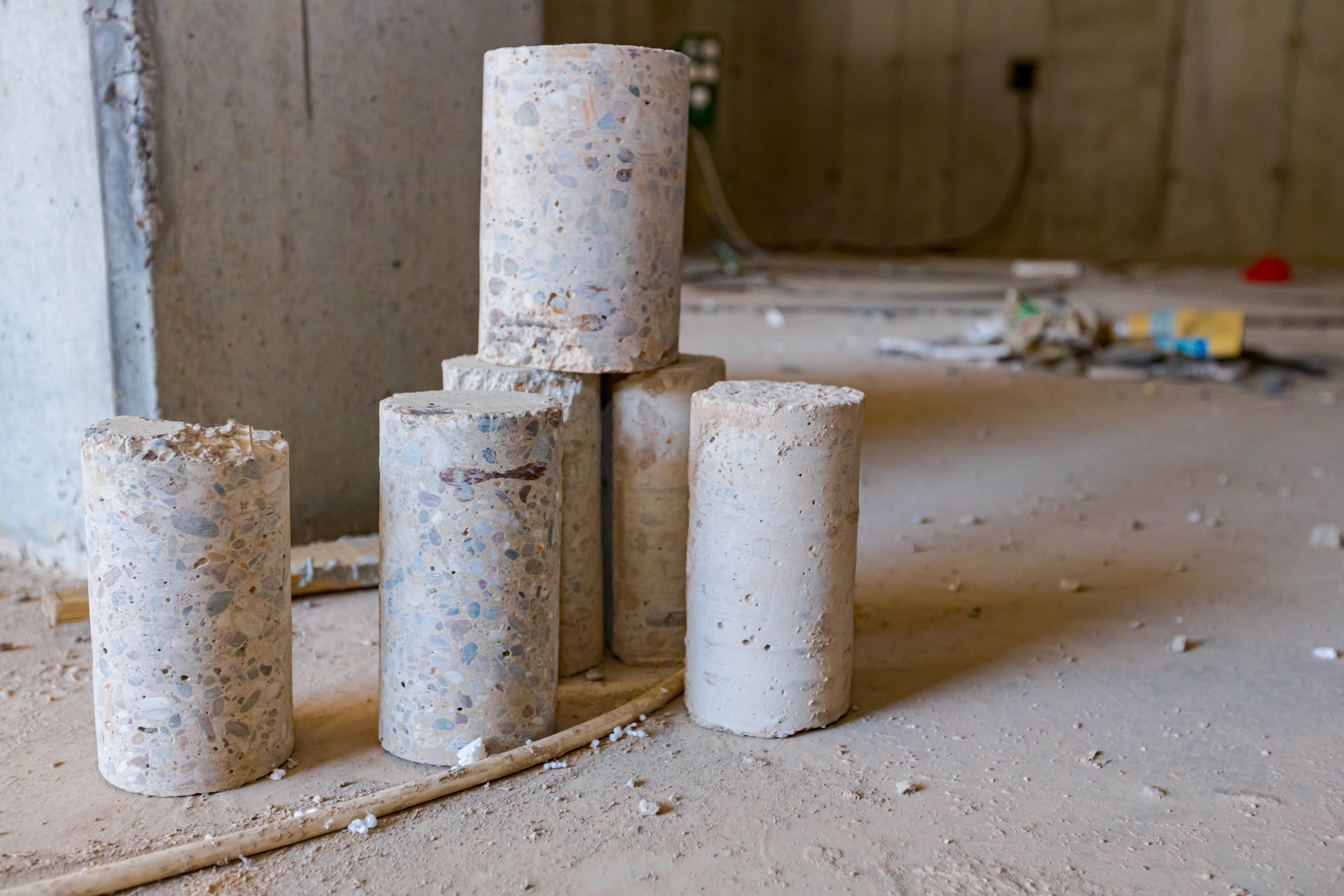
When it comes to construction, reliable testing is your best ally. It safeguards your investment by ensuring the materials you use meet the highest standards. With ZALIG Consulting, you can trust that your project stands on solid ground.
Ensuring Structural Integrity
Think about the weight of large structures. The foundation must be firm, and the materials must hold up under pressure. Concrete testing plays a critical role here. By assessing the strength and durability of concrete, you can avoid weak points. Imagine a bridge enduring thousands of cars daily. Without proper testing, cracks could develop, leading to catastrophic failure. This is why understanding the structural integrity of materials is not just recommended; it’s essential.
ZALIG Consulting uses cutting-edge techniques to provide accurate results. Our tests help ensure your structure won’t just stand today but remain strong for years to come. Most people believe their project is safe once built, but routine checks can uncover issues before they become costly problems.
Avoiding Costly Mistakes
Mistakes in construction can lead to financial loss. Faulty materials might mean redoing parts of a project, delaying timelines, and increasing costs. For instance, if a concrete batch is weaker than expected, the entire structure’s safety could be compromised. Here’s the key insight: regular testing helps you catch these issues early.
By investing in material testing, you avoid risks that could become expensive later. You also ensure your project meets all safety standards from the start. This proactive approach gives you peace of mind, knowing that your investment is protected.
Concrete Testing Essentials
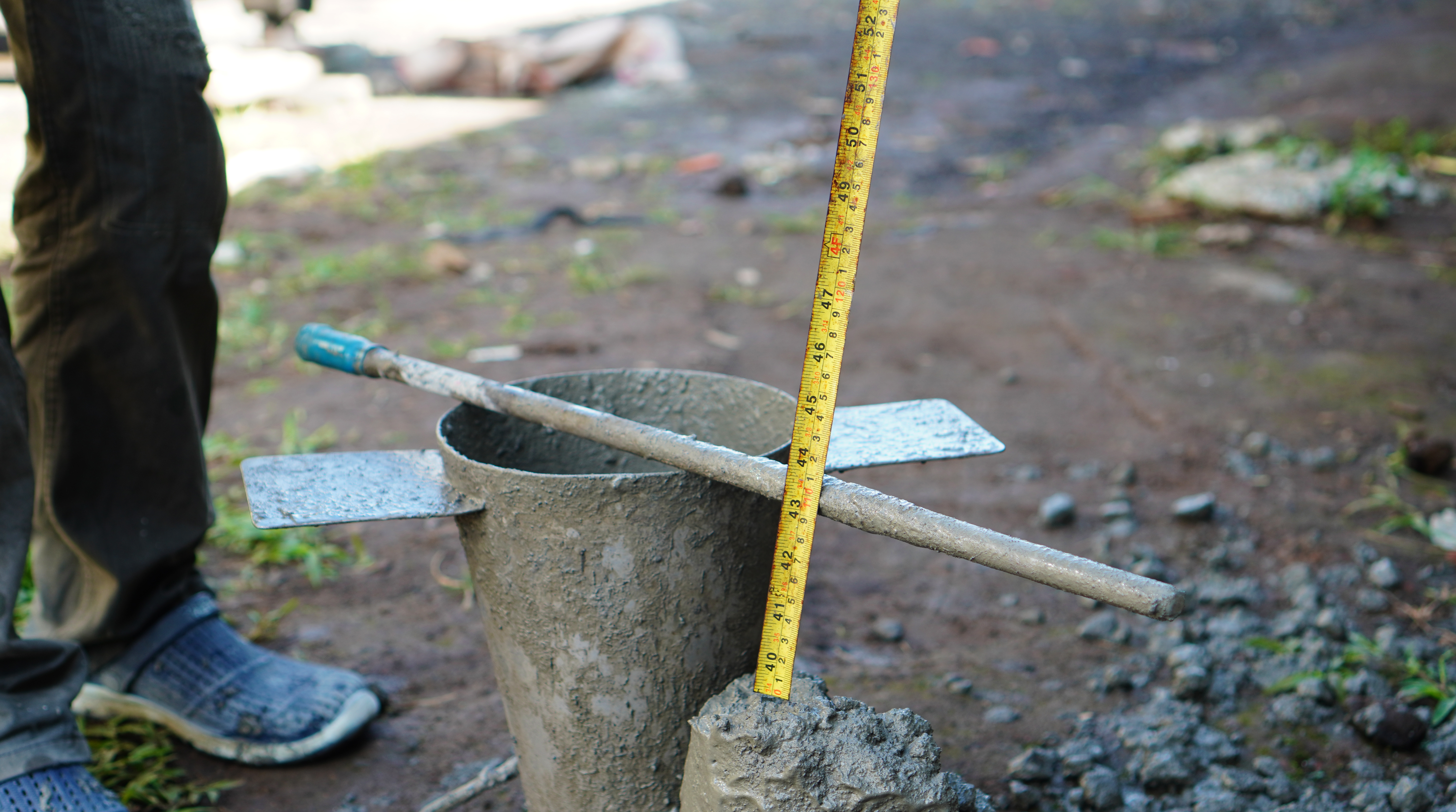
Concrete is a primary building block in construction. Reliable testing is crucial to ensure it performs as expected over time. Dive into the essentials with ZALIG’s trusted methods.
Key Methods and Techniques
Concrete testing involves several methods, each providing unique insights. One popular technique is the slump test, which measures the consistency of fresh concrete. Another is the compressive strength test, determining how much pressure the material can withstand.
Here’s a quick example: A local contractor found their concrete was not curing correctly. By using our testing services, they identified the issue early and adjusted their mix, saving time and money. This story highlights the importance of testing throughout your project.
We prioritize accuracy by implementing industry-standard practices. These ensure that your concrete remains strong, reducing the risk of future failures. You can learn more about these methods from Global Gilson’s overview of construction materials testing.
Benefits of Reliable Testing
Reliable testing provides several benefits. First, it helps maintain safety. A structure built with tested materials is less likely to fail. Second, it’s cost-effective. By identifying problems early, you can avoid costly repairs later. Finally, it boosts confidence. Knowing that your materials have passed rigorous tests gives you peace of mind.
In construction, safety and quality cannot be compromised. Testing ensures your project meets all necessary standards. It’s a small investment that pays huge dividends by preventing potential disasters and keeping your project timeline on track.
Compaction Tests and Their Role
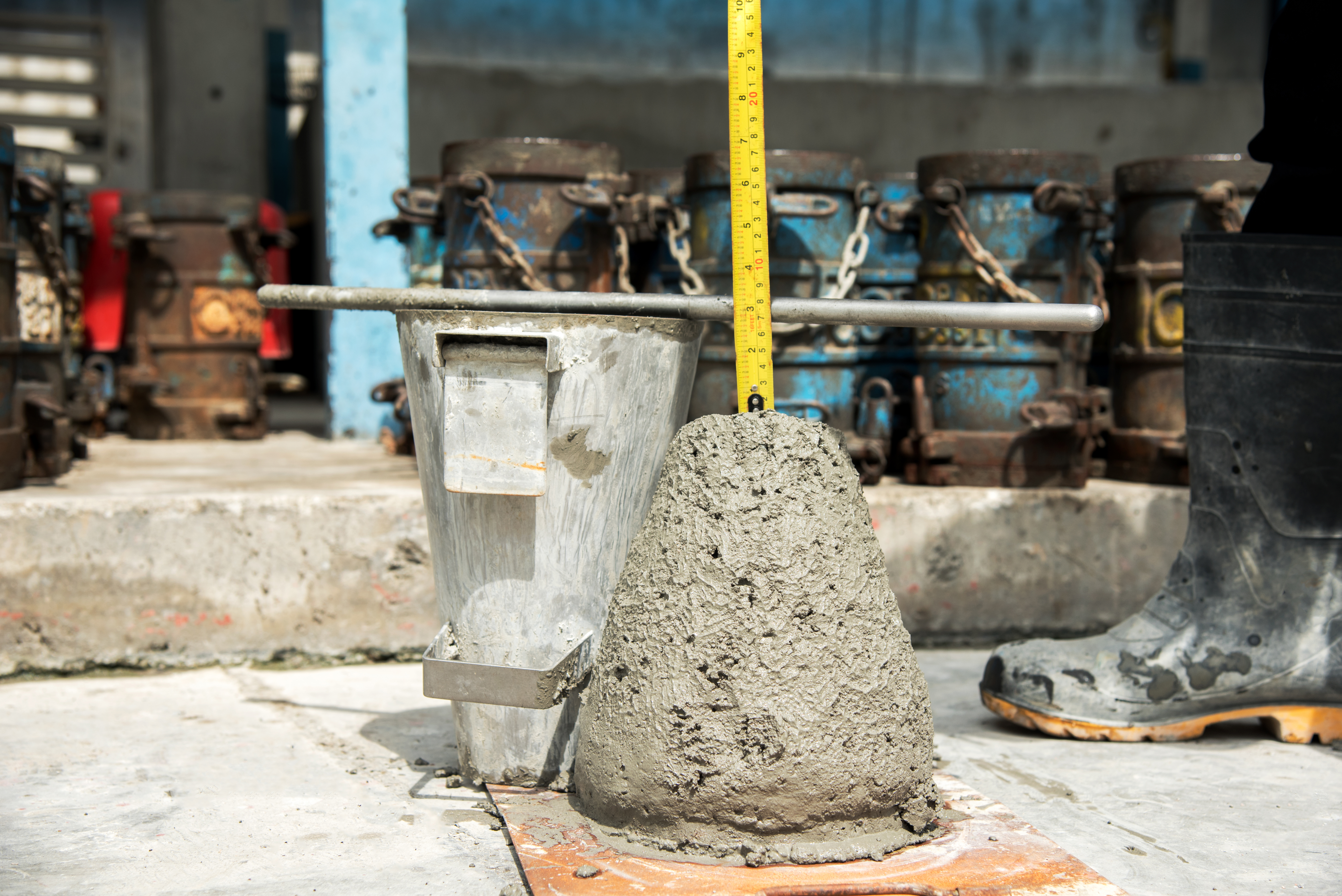
While concrete testing is vital, compaction tests are equally important. They ensure your soil foundation is firm, providing longevity and stability to your projects.
Understanding Soil Compaction
Soil acts as the bedrock for any structure. Proper compaction is crucial to prevent settling and shifting. When soil is not compacted correctly, it can lead to structural damage. Imagine a house built on shaky ground; the results could be disastrous.
Compaction tests measure the density and moisture content of the soil. This information reveals if the ground can support the structure above. For example, a building in Alberta faced issues due to improper soil compaction. With our tests, they corrected the problem, ensuring the safety of their structure.
Ensuring Project Longevity
The longevity of a project is directly linked to the stability of its foundation. Proper soil compaction prevents issues like uneven settling and cracking. By conducting thorough compaction tests, you confirm that your project has a solid start.
The longer you wait to address potential issues, the more costly they become. Regular testing is an essential step in maintaining your project’s success. With ZALIG Consulting, you gain a partner in ensuring that from the ground up, your construction is built to last.